










Peptides for Youthful Aging: Possibilities, Limitations, and a Medical Approach
As people age, they may notice lower energy levels, slower recovery after exercise, lighter or more disrupted sleep, and gradual changes in skin firmness and hydration. These changes are influenced by many factors, including genetics, lifestyle, hormonal status, nutrition, sleep, physical activity, and chronic health conditions.
Peptides are often described as one of the emerging areas of anti-aging and longevity medicine. However, the term “anti-aging peptides” covers very different substances: from approved peptide medications with established uses to experimental compounds studied mainly in laboratory and animal models.
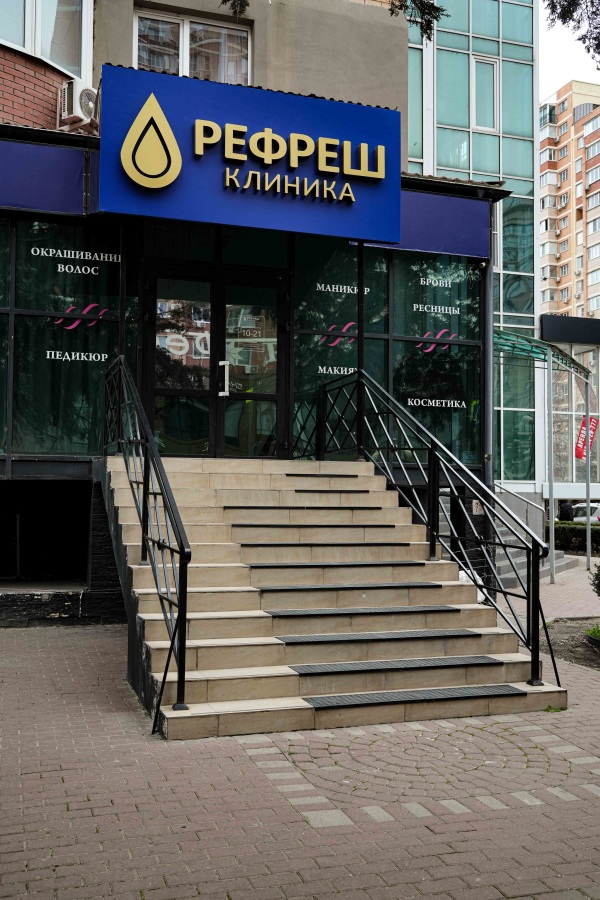
At Refresh Clinic Dubai, health-support programs are based on medical assessment, physician consultation, metabolic evaluation, IV therapy, aesthetic treatments, and personalised care. The clinic’s website lists check-up programs, IV drip therapy, boosters, cosmetology, ultrasound, weight-management programs, and device-based treatments.
What Are Peptides?
Peptides are short chains of amino acids. In the body, they participate in communication between cells and may influence hormonal, immune, neurological, and other biological systems.
Some peptides form the basis of prescription medications. For example, certain medications used to treat diabetes and obesity act on receptors involved in appetite regulation and glucose metabolism. These medicines have been evaluated in clinical trials and are used for specific medical indications under physician supervision.
At the same time, many peptides promoted in the wellness industry for anti-aging, tissue recovery, sleep, or athletic performance do not have sufficient clinical evidence for use in humans. Their safety, effectiveness, and regulatory status depend on the specific substance, formulation, manufacturer, and country.
Why Are Peptides Associated with Anti-Aging?
Interest in peptides is related to their ability to interact with cellular receptors and biological signaling pathways. Depending on the specific medication or investigational compound, peptides are being studied in relation to:
-
Skin quality.
-
Collagen production.
-
Recovery after physical activity.
-
Appetite control.
-
Metabolic health.
-
Sleep regulation.
-
Age-related changes in muscle mass.
-
Inflammatory processes.
-
Cellular energy metabolism.
Types of Peptides Studied in Anti-Aging Medicine
Peptides for Metabolic Health
Some approved peptide-based medications are used for specific medical indications related to glucose control, appetite, and body weight. They may be considered for patients with obesity, prediabetes, type 2 diabetes, or significant metabolic risks.
Potential goals of this type of therapy may include:
-
Supporting appetite control.
-
Reducing episodes of overeating.
-
Supporting fat loss.
-
Improving insulin resistance.
-
Reducing metabolic risks.
-
Helping patients follow an individualized nutrition and activity plan.
These medications are not intended for self-prescription as general “anti-aging” treatments and require medical assessment. Weight-management programs at Refresh Clinic Dubai may include diagnostics, body-composition analysis, laboratory testing, and personalized medical support.
Peptides for Skin
In aesthetic medicine, peptides are often used in topical products and injectable protocols designed to support skin quality. They are being studied in relation to hydration, antioxidant protection, collagen production, and skin-barrier repair.
A systematic review of 19 randomized controlled trials involving 1,341 participants found that oral and topical peptide formulations may improve skin hydration and radiance, while the pooled effect on wrinkles was modest. Evidence regarding skin elasticity and firmness was inconsistent, and the authors noted the need for larger, standardized studies.
For significant skin laxity, loss of volume, or deep wrinkles, a physician may recommend other approaches, including device-based treatments, collagen stimulators, injectable procedures, or a plastic-surgery consultation.
Peptides for Recovery
A number of peptides are widely promoted online for muscle, tendon, joint, and skin recovery. However, much of the available information comes from early laboratory and animal research rather than high-quality human clinical trials.
For injuries, chronic pain, reduced strength, or limited mobility, proper diagnosis is essential. Peptides should not replace an orthopedic assessment, physiotherapy, rehabilitation, therapeutic exercise, or evidence-based treatment.
Peptides for Sleep and Energy
Poor sleep, low concentration, and chronic fatigue can have many possible causes, including:
-
Anemia and iron deficiency.
-
Thyroid disorders.
-
Vitamin B12 or vitamin D deficiency.
-
Insulin resistance.
-
Sleep apnea.
-
Anxiety and depressive disorders.
-
Chronic stress.
-
Liver, kidney, or cardiovascular disease.
-
Medication side effects.
For this reason, it is important to begin with diagnostic assessment rather than immediately choosing a “peptide for energy.” At Refresh Clinic Dubai, a physician may recommend a check-up, laboratory testing, and consultation with a relevant specialist before developing a personalized wellness plan.
How Anti-Aging Assessment Works
Physician Consultation
The first step is a detailed consultation. It is important to discuss:
-
Main symptoms and goals.
-
Energy levels.
-
Sleep quality and stress.
-
Nutrition.
-
Physical activity.
-
Changes in body weight.
-
Skin and hair condition.
-
Chronic diseases.
-
Family medical history.
-
Current medications, supplements, and hormones.
-
Previous experience with injectable treatments.
At Refresh Clinic Dubai, the consultation includes a review of the patient’s medical history and goals, development of an initial personalized plan, and recommendations for laboratory testing where appropriate.
Check-Up and Laboratory Testing
The assessment depends on the patient’s symptoms and objectives. A physician may recommend evaluating:
-
Complete blood count.
-
Ferritin and iron status.
-
Vitamin B12.
-
Vitamin D.
-
Fasting glucose.
-
HbA1c.
-
Insulin and HOMA-IR where indicated.
-
Lipid profile.
-
Liver and kidney function.
-
TSH and thyroid hormones.
-
Sex hormones where indicated.
-
Inflammatory markers.
-
Blood pressure.
-
Body composition.
This type of assessment can help identify treatable causes of low energy, skin changes, weight gain, and poor sleep. In some cases, correcting a deficiency or treating an underlying condition is more appropriate than starting an investigational peptide protocol.
Peptide Protocols and IV Therapy
Refresh Clinic Dubai offers IV infusion protocols, weight-management programs, aesthetic treatments, and personalized wellness services. According to the clinic’s website, IV protocols are selected based on medical history, laboratory results, and the patient’s individual goals. Depending on the protocol, they may include vitamins, amino acids, antioxidants, and other components.
How Is IV Therapy Different from Peptide Therapy?
IV therapy involves the intravenous administration of fluids, vitamins, minerals, amino acids, or other components when medically appropriate. Peptide therapy is a broader term that may refer to approved peptide medications or investigational peptide compounds.
These approaches are not interchangeable. Whether they can be combined depends on the specific products, medical conditions, laboratory results, and contraindications.
Why Should You Avoid Unsupervised Peptide Stacks?
Online protocols often recommend combining several peptides for skin, weight loss, recovery, sleep, and energy. Such combinations may be unsafe because:
-
Many compounds lack high-quality clinical evidence.
-
Drug interactions may be unknown.
-
Long-term effects may not be established.
-
Product quality may be uncertain.
-
Allergic, inflammatory, or immune reactions may occur.
-
It may be impossible to determine which component caused an adverse effect.
Medical organizations and experts emphasize that the safety of unregulated injectable peptides is not established. Potential risks include contamination, dosing errors, severe allergic reactions, and unknown long-term effects.
Realistic Expectations from an Anti-Aging Program
Longevity medicine should not promise “ten years younger in one course” or complete rejuvenation of the body. A more realistic goal is to identify modifiable factors that affect health, quality of life, and biological indicators.
A physician-supervised program may focus on:
-
Improving sleep.
-
Increasing physical activity.
-
Correcting nutritional deficiencies.
-
Supporting a healthy body weight.
-
Improving nutrition.
-
Reducing cardiovascular risks.
-
Managing chronic stress.
-
Supporting skin health.
-
Preserving muscle mass.
-
Monitoring relevant biomarkers over time.
Results depend on the patient’s initial health, age, lifestyle, adherence to recommendations, and chosen treatment. The safest anti-aging strategy is usually not based on one product but on a coordinated approach to sleep, movement, nutrition, stress, and preventive medical care.
Who Requires Special Caution?
Peptide and injectable protocols require particular caution in the presence of:
-
Pregnancy or breastfeeding.
-
Age under 18.
-
Current or previous cancer.
-
Autoimmune disease.
-
Diabetes or other glucose disorders.
-
Liver or kidney disease.
-
Cardiovascular disease.
-
High blood pressure.
-
Blood-clotting disorders.
-
Use of anticoagulants.
-
History of severe allergic reactions.
-
Use of hormone therapy or multiple supplements.
The final decision regarding treatment should be made by a licensed physician after reviewing the patient’s medical history, test results, and contraindications.
Frequently Asked Questions
Can peptides rejuvenate the whole body?
There is no single peptide proven to rejuvenate the entire body. Some substances are being studied in relation to age-related changes, but many anti-aging injectable peptides do not yet have sufficient high-quality clinical evidence in humans.
Which peptides have proven benefits?
Some peptide-based prescription medications have established benefits for specific medical conditions, such as diabetes or obesity. They must be prescribed for appropriate indications and should not be promoted as universal anti-aging treatments.
Can peptides improve skin quality?
Peptides in topical and oral formulations have been studied in relation to skin hydration and appearance. A systematic review found improvements in hydration and radiance, while the effect on wrinkles was modest. Evidence for firmness and elasticity was inconsistent.
Can I buy and inject peptides myself?
This is not recommended. Products from unverified sources may have an uncertain composition, concentration, sterility, storage history, and regulatory status. Self-injection increases the risk of infection, allergic reactions, dosing errors, and other complications.
Are laboratory tests needed before peptide therapy?
Yes. Depending on the patient’s goals and health status, a physician may recommend a complete blood count, iron status, glucose, HbA1c, lipid profile, thyroid function, liver and kidney tests, hormone testing, and other investigations.
Can peptides be combined with IV therapy?
A physician may consider combining treatments in selected cases, but this depends on the specific products, medical history, laboratory results, and contraindications. Patients should not combine injectable therapies independently.
Medical disclaimer: This article is for informational purposes only and is not a recommendation to use any medication, peptide, or injectable protocol. Peptide programs may only be considered after consultation with a licensed physician in the UAE, medical assessment, review of contraindications, and verification of the legal and regulatory status of the specific product. Do not use products labelled “research use only” for self-administration.