






How to Lose Weight in Dubai Simply and Comfortably: Refresh Clinic Programs Without Harm to Your Health
How to Lose Weight in Dubai Simply and Comfortably: Refresh Clinic Programs Without Harm to Your Health
Wanting to lose weight "fast, at any cost" is one of the main reasons weight comes back afterward — and why energy, skin, and overall well-being often suffer along the way. A comfortable approach looks different: gradual weight loss under medical supervision, one that protects muscle, skin, and energy rather than chasing a number on the scale. At Refresh Clinic Dubai, this is delivered through a combination of peptide and GLP-1 therapy, infusion protocols, and continuous medical support. Below, we look at what the science says about the speed and safety of weight loss, how modern medications work, and what programs the clinic offers.
Why "Fast" Doesn't Always Mean "Good"
What Happens With Rapid Weight Loss
Strict low-calorie diets and fasting produce fast results — but that speed is exactly where the problems start. Independent medical sources describe a similar set of risks when losing more than 0.9–1 kg (about 2 lb) a week: dehydration, loss of muscle mass rather than just fat, electrolyte imbalances, a slower metabolism, and a higher risk of gallstones — in some data, in up to 25% of people on diets below 800 calories a day. On top of that, most people who lose weight rapidly gain it back — a pattern known as "yo-yo dieting"
What Weight-Loss Speed Is Considered Safe
A sustainable, safe rate of weight loss is roughly 0.5–1 kg (1–2 lb) per week. That pace is less likely to cost you muscle mass and, associated with more stable long-term results — people who lose weight gradually tend to keep it off more successfully. That's exactly why Refresh Clinic Dubai's programs run for 4 weeks or longer rather than promising a "three-day express result" — the clinic itself frames its approach as reducing fat mass "without stressing the body," in line with the principle of gradual, controlled weight loss.
How Refresh Clinic Dubai's Comfortable Approach Works
Diagnostics and an Individual Protocol
Every program starts with a consultation and bioimpedance analysis — a body-composition assessment that shows the ratio of fat to muscle mass, not just total weight. For more advanced programs (Standart, Premium, Zepbound, Pro-program, Sport & Slim), an extended or standard blood test is added. Based on this data, an endocrinologist selects an individual dosage and infusion formula tailored to specific goals: activating lipolysis, controlling appetite, or restoring energy.
Medical Supervision and Dosage Control
All of the clinic's programs include 24/7 medical support and dosage control, and injections are administered by nurses with years of experience. This matters especially when working with modern peptides and GLP-1 medications: as the physician evaluates progress, the protocol can be adjusted — rather than the patient following a fixed regimen with no feedback loop.
Peptides and GLP-1 Therapy: What They Are and How They Work
Mechanism of Action
Next-generation peptides and GLP-1 agonists act on GLP-1, GIP, and MC4R receptors, which regulate satiety, the rate of gastric emptying, and blood glucose levels. This reduces appetite and creates a more comfortable calorie deficit — without the constant hunger typical of strict diets.
Semaglutide, Tirzepatide, and Retatrutide — What's the Difference
Today these are the three key medications used in weight-loss therapy, and their effectiveness differs. According to meta-analyses and clinical trials, tirzepatide on average produces a more pronounced weight loss than semaglutide: in the SURMOUNT-5 trial, participants on tirzepatide lost an average of 20.2% of body weight versus 13.7% on semaglutide over 72 weeks. Retatrutide is a newer triple agonist (GLP-1, GIP, and glucagon), offered at the clinic as the Refresh LUXE GLP-3 product. The clinic covers a detailed comparison of all three medications in its article Retatrutide, Tirzepatide and Semaglutide.
Possible Side Effects and How to Minimize Them
The most common side effects of GLP-1 therapy are gastrointestinal: nausea, diarrhea, constipation, and bloating; these are generally mild and occur during dose titration. A more serious, less commonly discussed issue is the loss of muscle mass alongside fat: research suggests muscle tissue can account for 15% to 40% of total weight lost during GLP-1 therapy. Experts stress that this isn't unique to GLP-1 medications — a similar share of muscle loss occurs with any weight-loss method, including regular dieting, and strength training combined with adequate protein intake can significantly reduce this loss. That's why the clinic's programs repeat bioimpedance analysis over time rather than measuring it just once — to track the fat-to-muscle ratio, not only total weight.
Who Should Not Use GLP-1 Therapy
Independent sources identify several restrictions and contraindications that a physician must evaluate before prescribing:
-
Gastroparesis and severe GI motility disorders — GLP-1 medications slow gastric emptying and may worsen symptoms.
-
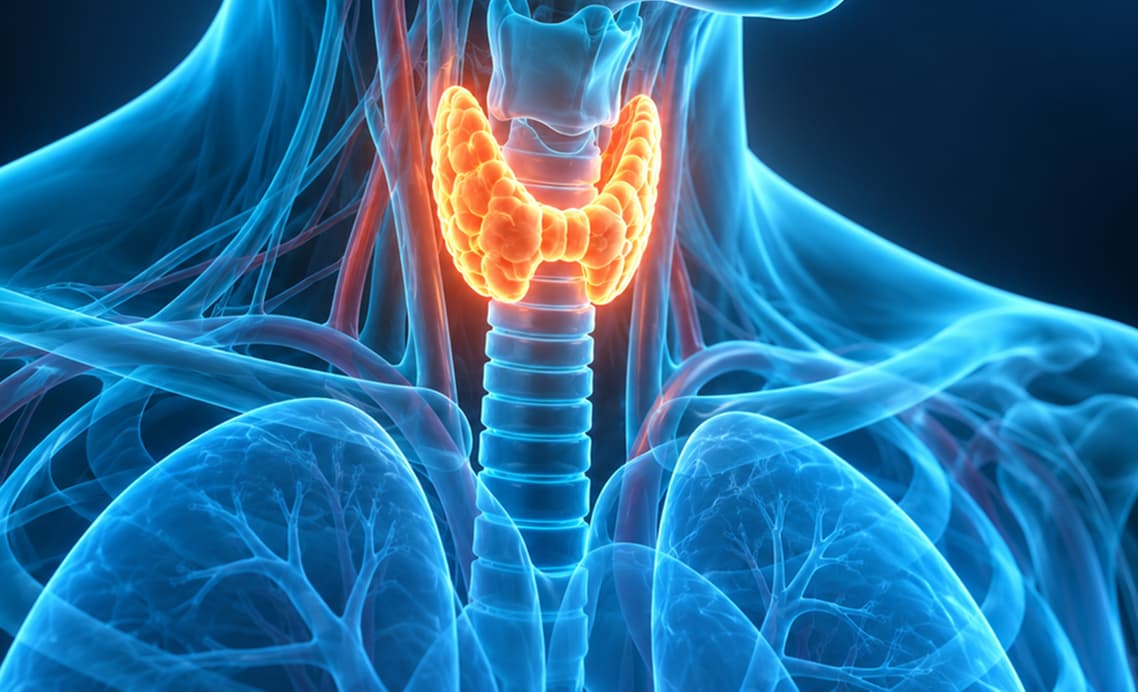
Personal or family history of medullary thyroid carcinoma or MEN2 syndrome — the main labeled contraindication for these medications.
-
History of gallstones or pancreatitis — rare but documented serious side effects .
-
Upcoming scheduled surgery — delayed gastric emptying raises the risk of aspiration under anesthesia, so the medication may need to be paused temporarily.
-
Eating disorders (such as bulimia) — therapy is not initiated until the condition is stabilized.
-
Pregnancy and breastfeeding — safety hasn't been established, so use isn't recommended.
That's why the first step in any Refresh Clinic Dubai program is a consultation with an endocrinologist and laboratory diagnostics — not choosing a medication "based on reviews."
Weight Loss Programs at Refresh Clinic Dubai
The clinic offers several programs — from basic peptide support to advanced protocols based on FDA-approved medications.
| Program | What's Included | Price |
|---|---|---|
| Express | Consultation + bioimpedance analysis, 4 peptide injections, 24/7 medical support | from 3,000 AED |
| Standart | Consultation + bioimpedance analysis, blood test, L-CAR Super Slim IV drips, 4 GLP-1 agonist peptide injections | from 5,000 AED |
| Premium | Extended blood test, individual IV drip protocol, 4 peptide injections, 4 vitamin booster injections, 24/7 support | 8,000 AED |
| Sport & Slim | Endocrinologist consultation, laboratory diagnostics, 4 IV drips, 4 Super Slim metabolic injections, 4 MOTS-c injections | from 5,700 AED |
| Pro-program (Mounjaro) | Endocrinologist consultation, diagnostics, bioimpedance analysis, 4 Super Slim IV drips, 4 Mounjaro injections (KwikPen, USA) | 6,000 AED |
| Zepbound Program | Endocrinologist supervision, blood test, bioimpedance analysis, 4 Zepbound injections (USA), 4 IV drips and 8 boosters as indicated | 9,500 AED |
| Refresh LUXE GLP-3 (retatrutide) | Retatrutide 15 mg, refrigerated cooler box, physician consultation, personalized treatment protocol | 2,900 AED |
| Refresh Light | 28-day program based on GLP-1/GIP modulation (tirzepatide), 4 visits, 4 peptide injections, 4 Refresh Premix IV infusions, 2 body composition sessions | 1,599 AED |
The full, up-to-date list of programs and inclusions is on the page "Weight Loss Programs", and an overview of all the clinic's directions is in the "Programs" section.
IV Drips to Support Weight Loss
Infusion therapy is used as a supporting tool, not a standalone one — it doesn't replace a calorie deficit, but helps the body cope more comfortably with the weight-loss process:
-
"Stop Appetite" IV Drip — a combination of ingredients that reduces cravings for sweets and eases the transition to a new diet, especially early on.
-
"Super Slim Alpha" and "Super Slim Elkar" IV Drips — alpha-lipoic acid, L-carnitine, and Reamberin to support the liver, fat transport, and muscle preservation.
-
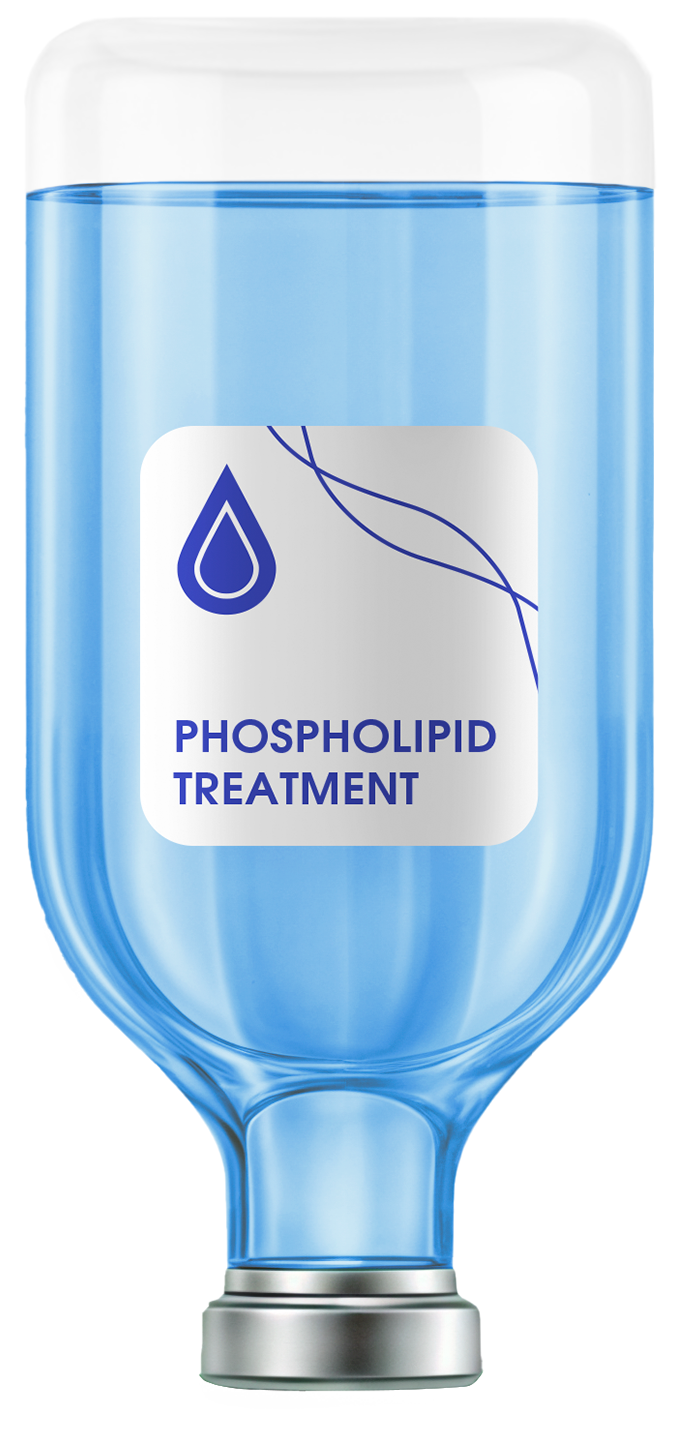
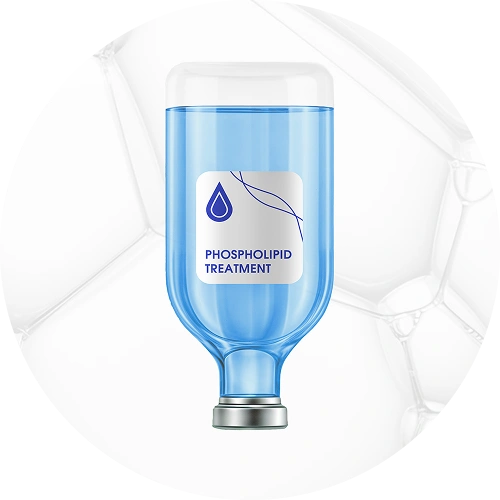
"Cleansing and Weight Loss with Phospholipids" — protects liver cells and supports the body under the metabolic stress that can accompany rapid weight loss.
The full infusion therapy catalog is on the "IV Drip Therapy" page.
Caring for Your Body: How to Protect Muscle, Skin, and Energy While Losing Weight
Comfortable weight loss isn't only about medications — it's also about a lifestyle that supports the result:
-
Protein and strength training. Research shows that adequate protein intake and regular strength training reduce the share of muscle mass lost during weight loss — true both for regular diets and for GLP-1 therapy.
-
Sleep and stress. Chronic stress raises cortisol levels, which makes weight loss harder and encourages eating slip-ups — read more in the clinic's article "How Does Stress Affect Weight Loss?".
-
Why weight comes back. Severe calorie restriction, sleep deprivation, and undiagnosed conditions are common reasons weight returns after weight loss, covered in the article "Why Does the Weight Come Back After Losing It?".
-
Weight loss without exhausting workouts. A calorie deficit, hydration, sleep, and stress control work even without intense physical activity — though combining them with activity speeds up results, as discussed in "Is It Possible to Lose Weight Without Physical Exercise?".
-
Controlling appetite safely. Non-medication ways to reduce appetite are covered in the article "How to Reduce Appetite".
What Your First Visit to Refresh Clinic Dubai Looks Like
A personal manager will contact you within 10 minutes of submitting the form and arrange a convenient visit time. During the consultation, an endocrinologist takes a medical history, performs bioimpedance analysis, and, if needed, orders lab diagnostics. Based on the results, an individual protocol is created — specifying medications, dosages, and the visit schedule for the full program.
How Much Does Weight Loss Cost in Dubai
Prices for the clinic's programs start at 1,599 AED (Refresh Light) and go up to 9,500 AED for the most advanced Zepbound-based program. Individual weight-loss peptides — such as MOTS-c or Mazdutide — can also be purchased separately from the bundled programs; the current peptide price list is on the "Peptides" and "Peptide Pricing" pages.
Frequently Asked Questions (FAQ)
How quickly will I lose weight on Refresh Clinic's programs?
The pace depends on the chosen program and individual factors, but the clinic aims for a sustainable rather than extreme rate: the first results on the Express program are expected within 4 weeks. This pace aligns with independent guidance on safe weight-loss speed — around 0.5–1 kg per week.
Do I need lab tests before starting a program?
For the basic Express program, a consultation and bioimpedance analysis are enough. For programs involving GLP-1 therapy (Standart, Premium, Zepbound, Pro-program, Sport & Slim), a blood test is required — this lets the physician rule out contraindications and fine-tune the dosage.
Is it true that GLP-1 therapy causes muscle loss?
Partly. Research shows that on any diet — not only GLP-1 therapy — a portion of the weight lost comes from muscle mass; estimates range from 15% to 40%.Strength training and adequate protein intake help minimize this loss.
What's the difference between Zepbound, Mounjaro, and Refresh LUXE GLP-3?
Zepbound and Mounjaro are brand names for medications based on tirzepatide (a dual GLP-1 and GIP agonist), FDA-approved for obesity and diabetes treatment respectively. Refresh LUXE GLP-3 is based on retatrutide, a newer triple agonist (GLP-1, GIP, and glucagon). See a detailed comparison in "Retatrutide, Tirzepatide and Semaglutide: What Is the Difference?".
Can I lose weight without peptides or GLP-1 medications, using only IV drips and diet?
Yes — for some patients, a gentler option works well, such as supportive IV drips ("Stop Appetite," "Super Slim") combined with nutrition, sleep, and stress-management guidance. Whether medication therapy is needed is decided by the physician during the consultation.
Are there side effects to GLP-1 therapy?
The most common are nausea, diarrhea, and other GI reactions, usually temporary and related to dose titration. Rarer but more serious risks include gallstones and pancreatitis. All of the clinic's programs include 24/7 medical support to monitor tolerability.
What happens if I stop the program — will the weight come back?
Weight regain is far more common after sudden, unbalanced diets than after gradual, medically supervised weight loss. The causes and prevention strategies are covered in the article .
This material is for informational purposes only and does not replace a consultation with a physician. The composition, dosage, and suitability of peptides, GLP-1 therapy, and IV drips are determined individually during a consultation with a Refresh Clinic Dubai physician, taking medical history and contraindications into account.
Related services