



















Why Mounjaro Doesn’t Work the Same for Everyone: Genetics as the Next Step in Obesity Treatment
Tirzepatide (Mounjaro) has quickly become one of the most powerful tools in the treatment of obesity and metabolic disorders. Yet as its use has expanded in real-world clinical practice, one important pattern has emerged: patients respond very differently to the same therapy.
Some individuals achieve a 15–20% reduction in body weight, while others experience a far more modest effect. The same variability applies to tolerability. For certain patients, treatment is smooth and well-tolerated, whereas others develop significant gastrointestinal side effects.
Recent research suggests that one of the key drivers behind this variability is genetic differences between individuals.
Receptor genetics: why the same drug produces different outcomes
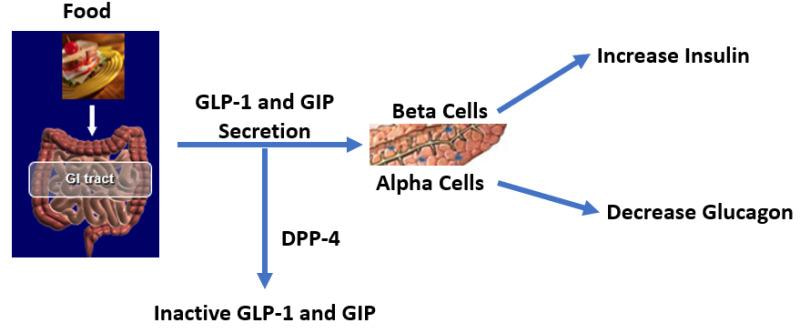
Mounjaro exerts its effects by targeting two receptors: GLP-1R and GIPR. These receptors play a central role in regulating blood glucose, appetite, lipid metabolism, and overall energy balance.
However, the structure and function of these receptors are not identical in every individual. Variations in the genes GLP1R and GIPR, known as polymorphisms, can subtly alter how these receptors behave.
These small genetic differences may affect receptor sensitivity, the strength of intracellular signaling, and ultimately the overall metabolic response to the drug.
In simple terms, the receptor can be thought of as a “lock,” and the medication as a “key.” Even minor changes in the lock can influence how effectively the key works.
How much does this impact results
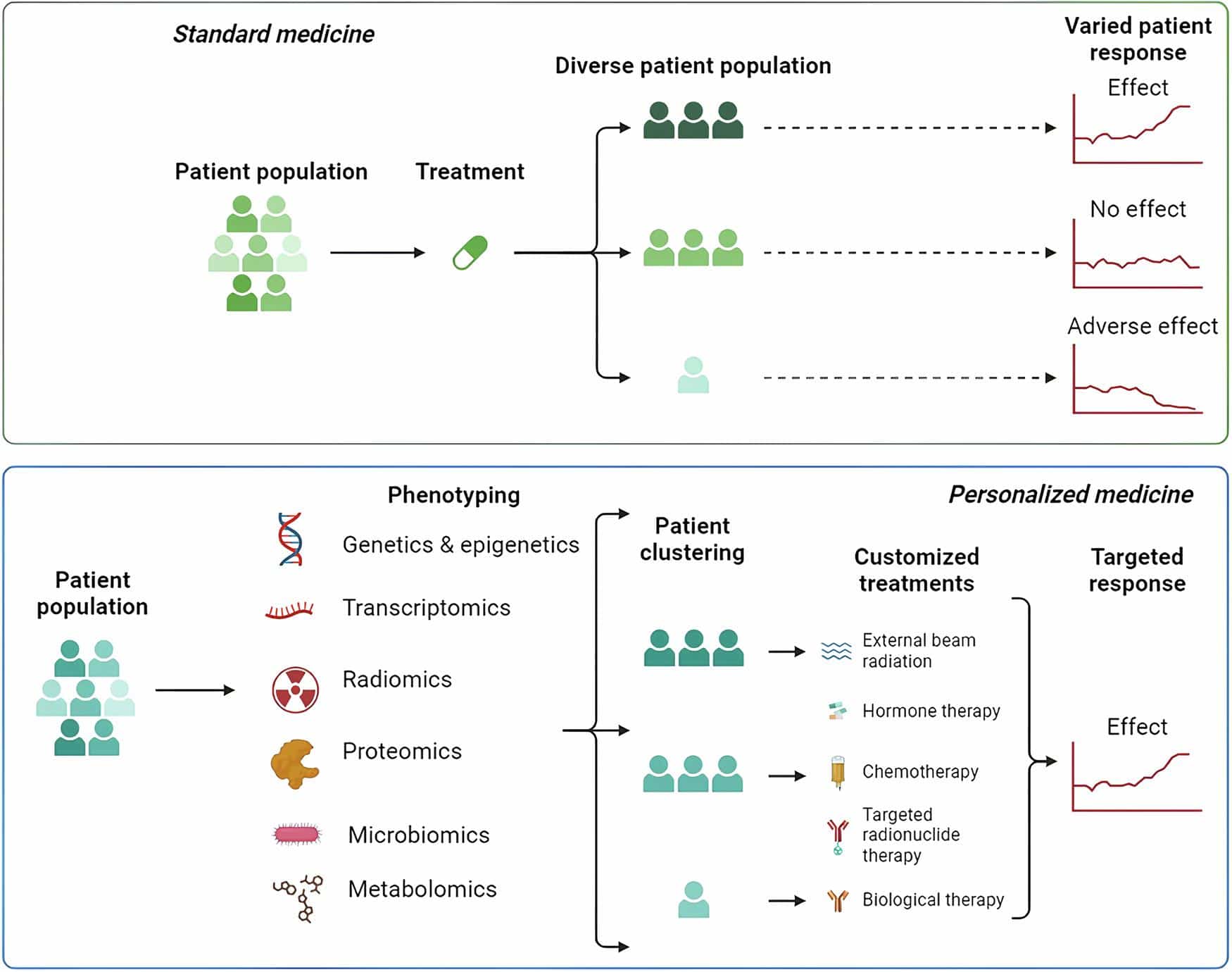
Both clinical trials and real-world data indicate that genetic variability can significantly influence treatment outcomes.
Differences in weight loss between patients under similar conditions may reach approximately 1.5–3 kg or more. Some individuals show a limited response, while others experience substantial and rapid changes.
Genetic factors also affect more than just body weight. They can influence HbA1c reduction, lipid profile improvements, and the speed at which clinical benefits appear.
This helps explain why patients following identical protocols — including diet, activity level, and dosage — may still achieve very different results.
The hidden reason behind Mounjaro intolerance
Variability in tolerability may also be genetically driven.
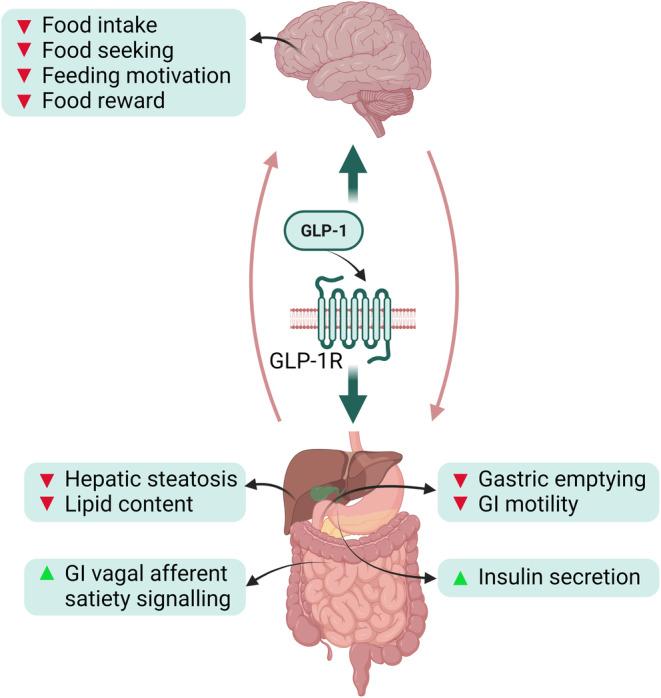
Certain gene variants are associated with increased receptor sensitivity and stronger activation of signaling pathways. This can amplify the drug’s effects on the gastrointestinal system.
As a result, some patients are more prone to symptoms such as nausea, vomiting, and digestive discomfort.
In these cases, side effects are not random but reflect underlying biological differences in how the body responds to treatment.
Why this is changing the approach to treatment
For many years, obesity treatment followed a standardized model, where the same therapeutic approach was applied broadly across patients.
However, data from Mounjaro and similar therapies suggests that this model is becoming outdated.
A shift toward personalized medicine is now underway, where treatment decisions are guided by genetic background, metabolic status, and individual response patterns.
In the near future, this could allow clinicians to predict treatment outcomes before therapy begins, select the most effective medication for each patient, and minimize the risk of adverse effects.
Where medicine is heading
Healthcare is gradually moving away from one-size-fits-all solutions toward more precise and individualized strategies.
Obesity treatment is no longer viewed solely as weight reduction, but as metabolic regulation tailored to the individual, including their genetic profile.
Mounjaro is one of the first therapies to clearly demonstrate that treatment response is not universal. Instead, it highlights the importance of understanding patient-specific biology - opening the door to more effective, targeted, and safer interventions.