










KPV — Three Peptide Amino Acids with Powerful Therapeutic Potential
What is KPV?
KPV is a short tripeptide fragment consisting of three amino acids: lysine (Lysine), proline (Proline), and valine (Valine). ...
KPV — Three Peptide Amino Acids with Powerful Therapeutic Potential
What is KPV?
KPV is a short tripeptide fragment consisting of three amino acids: lysine (Lysine), proline (Proline), and valine (Valine). This peptide is a fragment of the alpha-melanocyte-stimulating hormone protein (α-Melanocyte Stimulating Hormone, α-MSH).
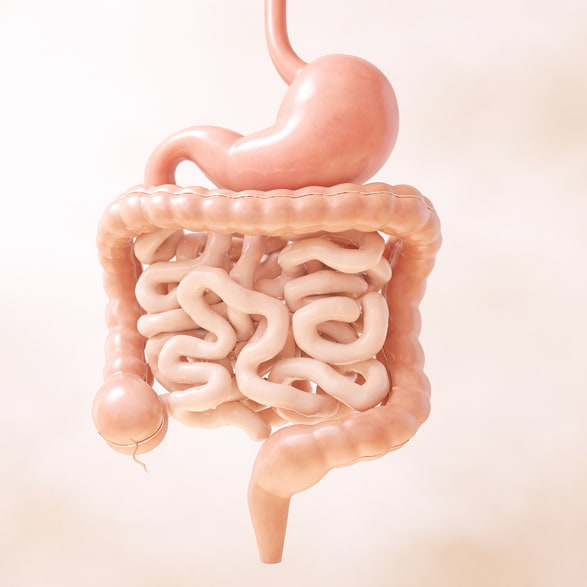
The KPV tripeptide has pronounced anti-inflammatory properties, acts as a powerful immunoregulator, and demonstrates strong antibacterial effects. This substance is particularly effective in treating inflammatory bowel diseases (IBD), skin conditions, and disorders of tissue regeneration processes.
Mechanisms of Biological Action of KPV
The primary mechanism of KPV action is based on its ability to influence key molecular pathways involved in the development of inflammatory reactions in the body. The most significant among them is KPV's ability to suppress the activation of the transcription factor NF-kappa B (NF-κB):
-
Suppression of NF-κB activation reduces the production of key pro-inflammatory cytokines, including tumor necrosis factor alpha (Tumor Necrosis Factor alpha, TNF-α), interleukin-1 beta (Interleukin-1 beta, IL-1β), and interleukin-6 (IL-6).
In addition to direct influence on signaling cascades, KPV is also capable of penetrating into the cell nucleus, directly affecting the gene expression regulation mechanisms involved in inflammation processes. Such direct impact on the genetic apparatus allows for significantly reducing inflammatory responses even at the cellular level.
|
Area |
Effects |
|---|---|
|
Gut |
Crohn's disease, colitis, "leaky gut" (integrity ↓) |
|
Skin |
Eczema, rosacea, psoriasis, wounds/burns |
|
Immunity |
Autoimmunity, systemic inflammation |
|
Neuro |
Neuroinflammation (BBB permeable) |
Besides the listed effects, KPV enhances the recovery processes of damaged tissues due to the following features of its action:
-
Enhancement of tissue regenerative abilities,
-
Improvement of the protective function of the gastrointestinal tract mucous membrane and epidermis,
-
Increase in the natural antimicrobial activity of epithelial cells and mucous membranes against pathogenic microorganisms such as Staphylococcus aureus.
|
Protocol |
Dose/Day |
Course |
|---|---|---|
|
Gut |
250-500 mcg |
14-30 days |
|
Skin |
200-400 mcg locally |
10-21 day |
|
Systemic |
500 mcg 1-2 times/day |
4 weeks |
KPV — #1 anti-inflammatory tripeptide for GI/skin; orally 500 mcg/day is optimal.
Stack with BPC — gold standard.
|
Stack |
Effect |
Dose |
|---|---|---|
|
KPV + BPC-157 |
Gut x2 (regen+inflammation ↓) |
500 mcg + 250 mcg |
|
KPV + TB-500 |
Wounds/skin (cell migration) |
500 mcg + 2 mg |
|
KPV + LL-37 |
Antimicrobial+immunity |
500 mcg + 100 mcg |
|
KPV + PE-22-28 |
Neuroinflammation+stress |
500 mcg + 200 mcg |
Information
Smart Benefits.
Maximum Impact.






The Science of Longevity in Detail