









What Is NAD+
NAD+ (nicotinamide adenine dinucleotide) is not a peptide and not a medication. It is a vital coenzyme required for virtually every redox reaction inside the human cell.
NAD+ plays a central role in cellular energy production, DNA repair, mitochondrial function, epigenetic regulation, and inflammatory control. In many ways, it acts as one of the core metabolic currencies of the body.
Research shows that NAD+ levels decline significantly with age — in some tissues by up to 50% by the age of 50–60. This decline is considered one of the recognized hallmarks of aging and is associated with mitochondrial dysfunction, impaired DNA repair, chronic inflammation, and reduced sirtuin activity.
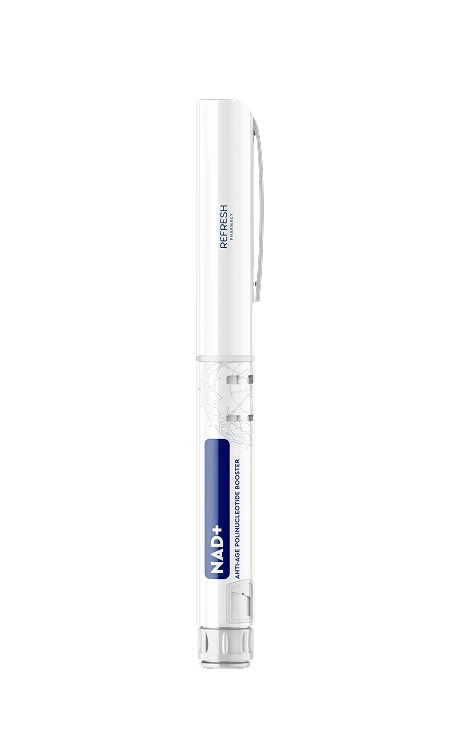
In peptide-pen format, injectable NAD+ is used subcutaneously as a more practical alternative to intravenous NAD+ infusions, allowing easier long-term use in outpatient and home-based protocols.
How NAD+ Works
NAD+ affects multiple biological systems simultaneously because it is deeply involved in fundamental cellular metabolism.
1. Cellular Energy Production
NAD+ is essential for glycolysis, the Krebs cycle, and oxidative phosphorylation inside mitochondria.
Without sufficient NAD+, ATP production — the primary source of cellular energy — becomes less efficient.
Restoring NAD+ levels may help support mitochondrial performance, stimulate mitophagy (the removal of damaged mitochondria), and improve cellular energy production.
2. Sirtuin Activation (SIRT1–SIRT7)
Sirtuins are a family of NAD+-dependent enzymes involved in longevity and cellular resilience.
They participate in:
- DNA repair and genomic stability;
- mitochondrial biogenesis;
- inflammatory regulation;
- fat and glucose metabolism;
- skin regeneration and collagen support;
- cellular stress adaptation.
Many of the beneficial effects associated with calorie restriction, fasting, and exercise are believed to be mediated through increased NAD+ availability and subsequent sirtuin activation.
3. DNA Repair and PARP Activity
PARP enzymes are responsible for identifying and repairing damaged DNA.
These enzymes consume large amounts of NAD+ during the repair process.
With aging and chronic stress, DNA damage accumulates, PARP activity increases, and NAD+ stores may become depleted more rapidly.
Maintaining adequate NAD+ levels may help support both DNA repair mechanisms and healthy sirtuin function simultaneously.
4. CD38 and Age-Related NAD+ Decline
One of the major contributors to NAD+ depletion during aging is increased activity of the CD38 enzyme.
CD38 actively breaks down NAD+, particularly within immune and inflammatory pathways.
This process is considered one of the key drivers of age-associated NAD+ deficiency.
5. Calcium Signaling and Nervous System Support
NAD+ derivatives also participate in intracellular calcium signaling, which is essential for muscle contraction, nerve transmission, and hormone secretion.
Modern longevity protocols often combine injectable NAD+ for rapid replenishment with oral NMN or NR supplementation for maintenance support.
Potential Benefits and Clinical Effects
Research into injectable NAD+ therapy is ongoing, but several potential effects have already been described in clinical and experimental settings.
Energy and Fatigue Support
Many patients report increased energy levels and reduced fatigue within the first 1–2 weeks of therapy.
Cognitive Function and Mental Clarity
NAD+ protocols are being explored for support of memory, concentration, focus, and cognitive performance, particularly in adults over 45.
Mitochondrial Health
NAD+ is actively studied in the context of mitochondrial dysfunction, metabolic disorders, and neurodegenerative conditions.
Skin Quality and Healthy Aging
By supporting sirtuin pathways and cellular repair mechanisms, NAD+ may help improve skin texture, barrier function, and overall skin quality.
Sleep and Circadian Rhythm Regulation
NAD+-dependent pathways are linked to circadian rhythm regulation and healthy sleep architecture.
Recovery and Addiction Support
NAD+ therapy has also been explored as supportive care in recovery programs related to alcohol, nicotine, and substance dependence.
Inflammation Modulation
NAD+ may help regulate inflammatory signaling pathways, including NF-κB-related mechanisms associated with chronic inflammation.
Cardiometabolic Support
Research also suggests potential benefits for insulin sensitivity, metabolic flexibility, and lipid metabolism.
Longevity and Anti-Aging Research
NAD+ remains one of the most actively studied molecules in longevity medicine and cellular aging research.
While many mechanisms appear promising, ongoing human studies are still evaluating long-term clinical outcomes and optimal treatment strategies.
Who May Benefit From NAD+ Therapy
- Adults 45+ experiencing age-related fatigue, reduced vitality, poor sleep quality, brain fog, or cognitive decline.
- Patients following anti-aging and longevity-focused protocols aimed at supporting mitochondrial health and sirtuin activity.
- Individuals dealing with chronic fatigue, post-viral recovery syndromes, or fibromyalgia-related symptoms.
- Patients after significant weight loss therapy who may benefit from additional mitochondrial and metabolic support.
- Active individuals and athletes seeking recovery support, particularly older patients with high physical нагрузка.
- Patients with metabolic syndrome, insulin resistance, or MASLD (metabolic dysfunction–associated steatotic liver disease) as part of a comprehensive metabolic health program.
- Individuals recovering from alcohol, nicotine, or substance dependence under supervision of appropriate medical specialists.
- Patients following aesthetic and anti-aging skin protocols as an internal support strategy alongside therapies such as GHK-Cu or glow-oriented regenerative programs.
- Patients with mild neurodegenerative or cognitive complaints under neurological supervision.
- Individuals interested in preventive longevity medicine, biohacking, and overall quality-of-life optimization.
Who Should Avoid NAD+ Therapy
- Active cancer or ongoing oncological treatment. NAD+ participates in DNA repair and cellular energy metabolism, which makes this area particularly complex. While some mechanisms may appear beneficial, tumor cells may also utilize NAD+ for metabolic activity. Current data remain inconclusive, so NAD+ therapy is generally avoided during active malignancy unless supervised within specialized oncology protocols.
- Pregnancy and breastfeeding.
- Patients under 18 years old unless there are specific medical indications.
- Known hypersensitivity or allergy to formulation components.
- Acute psychotic or severe psychiatric states.
- Severe cardiovascular disease in decompensated stages, particularly in the context of intravenous administration.
- Advanced liver or kidney failure.
NAD+ is a foundational molecule that helps “set the foundation” of cellular function and works especially well in combination protocols:
AICAR — a powerful mitochondrial combination: NAD+ provides the “fuel,” while AICAR activates the AMPK pathway, switching on mitochondrial biogenesis and fat-burning mechanisms. One of the most logical “mitochondrial stacks” of 2025–2026.
Sermorelin, CJC-1295 + Ipamorelin — classic anti-age combinations: GHRH secretagogues work through the GH/IGF-1 axis, while NAD+ supports mitochondria and sirtuins. A classic foundation for anti-age protocols after 45.
GHK-Cu, GLOW stack — for synergistic anti-age support of skin quality.
BPC-157 + TB-4 — in recovery-focused protocols: peptides support tissue regeneration, while NAD+ supports cellular energy production.
Tirzepatide, CagriSema, AOD-9604 — in weight management programs for preservation of muscle mass and mitochondrial function.
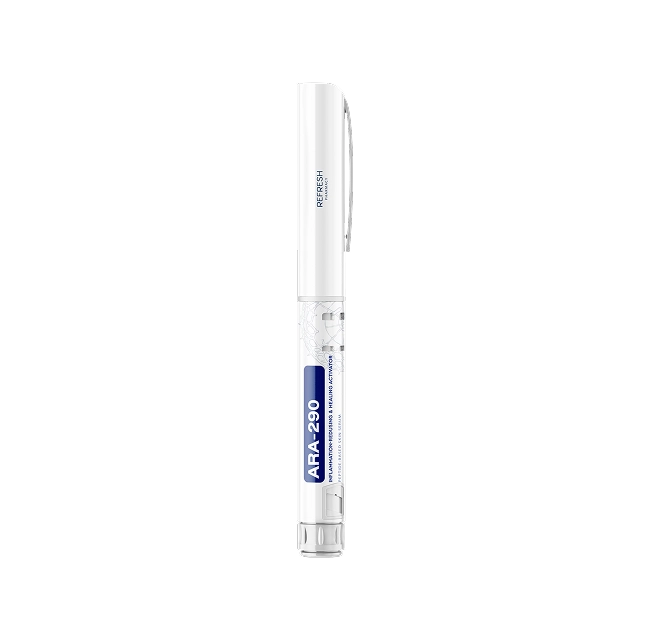
ARA-290 — when anti-age goals are combined with neuropathy-related support.
LL-37 — in post-viral and immune-support protocols.
Coenzyme Q10, L-carnitine, omega-3, vitamin D, magnesium, and B-complex vitamins (especially B3/niacin) — nutritional support for mitochondrial function and NAD+ biosynthesis.
Popularity
NAD+ became one of the most discussed molecules in anti-age and longevity medicine during the 2020s, largely due to the work of David Sinclair (Harvard) and Shin-ichiro Imai (Washington University), along with other leading scientists.
From 2018–2020, NAD+ IV drips became increasingly popular in premium clinics across the United States, Europe, Dubai, and later Russia.
Between 2024–2026, there has been a noticeable shift from IV infusions toward subcutaneous injections and pen injectors. This significantly expanded accessibility, making long-term home-based protocols possible without losing medical supervision.
In Russia, NAD+ is now actively used in specialized anti-age and metabolic clinics, including pen-injector formats.
Main Drivers of Interest in 2024–2026
- growth of scientific research around sirtuins and the hallmarks of aging;
- the global trend toward personalized medicine and biohacking;
- the epidemic of post-viral fatigue and chronic exhaustion;
- expanding evidence around NAD+ precursors such as NMN and NR;
- broader recognition of the role of NAD+ depletion in the mechanisms of aging.
Monitoring and Safety
NAD+ has a very favorable safety profile, especially in subcutaneous formats when used in appropriate dosages.
NAD+ is a foundational molecule of cellular energy and longevity.
Unlike many compounds in modern peptide protocols, NAD+ does not have one narrow “target.” It is required by virtually every cell, in every tissue, at every age.
With age, NAD+ levels inevitably decline, and restoring the NAD+ pool is considered one of the ways to work with a fundamental hallmark of aging.
At the same time, it is important to maintain a realistic perspective:
- NAD+ is not a peptide, but a coenzyme. It is included in “peptide pen” protocols because of its delivery format.
- The best results are usually achieved within comprehensive protocols.
In modern anti-age medicine, NAD+ is not viewed as a “magic molecule,” but rather as a foundation.
On top of this foundation, clinicians build protocols with growth hormone axis peptides (Sermorelin, CJC-1295), regenerative stacks (BPC-157 + TB-4, GLOW), mitochondrial activators (AICAR, MOTS-c), and weight management therapies (tirzepatide, CagriSema).
NAD+ supports the one thing without which none of these protocols can function optimally — cellular energy production.
You can schedule a consultation at Refresh Clinic through the clinic website or contact number.
We create personalized NAD+ protocols for anti-age and longevity support, chronic fatigue and post-viral recovery, weight management programs, metabolic support, and mitochondrial health.
This material is provided for informational purposes only and does not replace an in-person consultation with a physician.
Before starting therapy, age-appropriate cancer screening is recommended.
Self-injections and purchasing medications through unofficial channels may lead to adverse reactions and complications.
All therapy decisions should be made individually, taking into account medical history, underlying conditions, and current medications.