







To treat any skin breakouts, it is essential to use effective and professional methods. If only visible problems are addressed, they may leave behind uneven skin texture and persistent marks. Many people face this issue, including teenagers and adults with age-related skin changes who want to know how to get rid of post-acne marks and acne scars as safely and effectively as possible.
Today, aesthetic medicine and dermatology offer various device-based and injectable treatments. They help restore skin smoothness and elasticity, even out skin tone, and completely eliminate traces of breakouts.
What Is Post-Acne and What Types Are There?
Post-acne refers to a range of dermatological changes that occur as a result of inflammation. The main manifestations include:
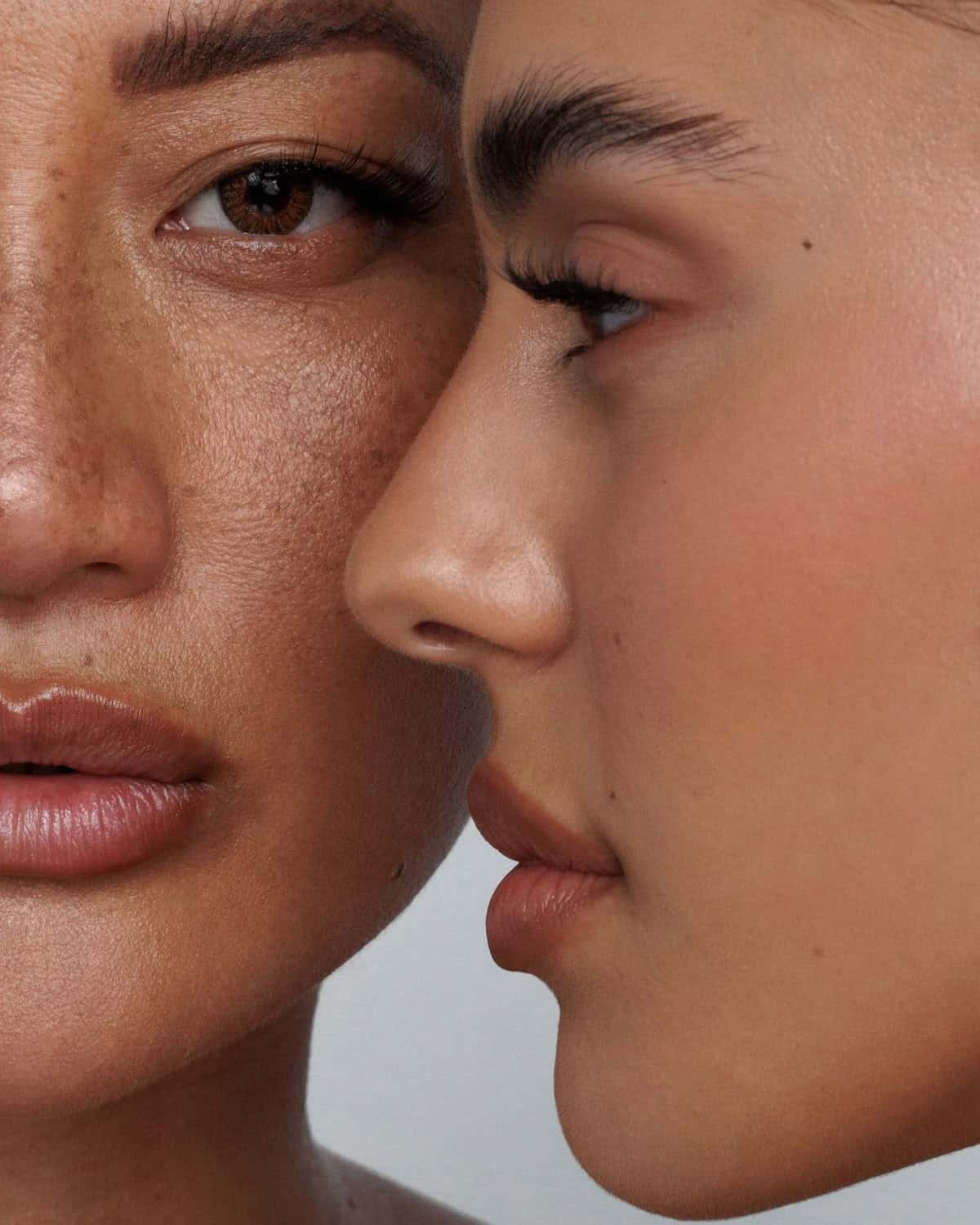
- Pigmented and persistent red marks. These include hyperpigmentation (brown spots) and post-inflammatory erythema (red spots), which develop due to impaired microcirculation and excessive melanin production in areas of inflammation.
- Atrophic and hypertrophic scars. Changes in skin texture caused by insufficient or excessive collagen production during healing.
- Enlarged pores and uneven skin texture.
These are persistent skin changes that may remain after acne has been treated and healed. They are not life-threatening but can significantly affect quality of life and the healthy appearance of the skin.
To determine how to get rid of post-acne marks, a dermatologist examines the patient's skin type and the nature of the damage before selecting an individual course of treatments.
Main Types of Skin Imperfections: From Spots to Scars
The choice of treatment method directly depends on the specific skin concerns that need to be addressed:
- persistent red marks: develop due to dilated capillaries in areas of inflammation. They are often found on the cheeks and chin;
- post-acne pigmentation: brown spots that develop when damaged skin is exposed to ultraviolet radiation;
- atrophic scars (small scars): depressed skin defects, including ice-pick, boxcar, and rolling scars;
- hypertrophic and keloid scars: raised formations that appear above the skin's surface due to excessive connective tissue production.
Professional Treatments: How to Get Rid of Post-Acne Marks Quickly at a Cosmetic Clinic
Many patients are looking for ways to get rid of post-acne marks quickly. However, it is important to understand that skin regeneration takes time. Professional clinics offer comprehensive treatment protocols that provide visible results after the first sessions.
Laser Resurfacing and Fractional Photothermolysis
Laser treatment is one of the most effective ways to correct pronounced skin imperfections. Laser creates microscopic injuries in the deeper layers of the dermis, stimulating the active production of new collagen and elastin.
- results: the surface layer of the skin is renewed, atrophic scars become smoother, and the depth of skin damage is reduced.
- this is one of the best solutions for those wondering how to get rid of post-acne scars, even those that have been present for many years.
Chemical Peels (Medium and Deep)
Professional chemical peels based on TCA (trichloroacetic acid), salicylic acid, glycolic acid, or mandelic acid help exfoliate damaged skin cells and accelerate cell renewal.
- this method is highly effective for those looking to get rid of post-acne pigmentation as quickly as possible;
- it helps refresh facial skin tone, reduce persistent discoloration, and even out skin texture.
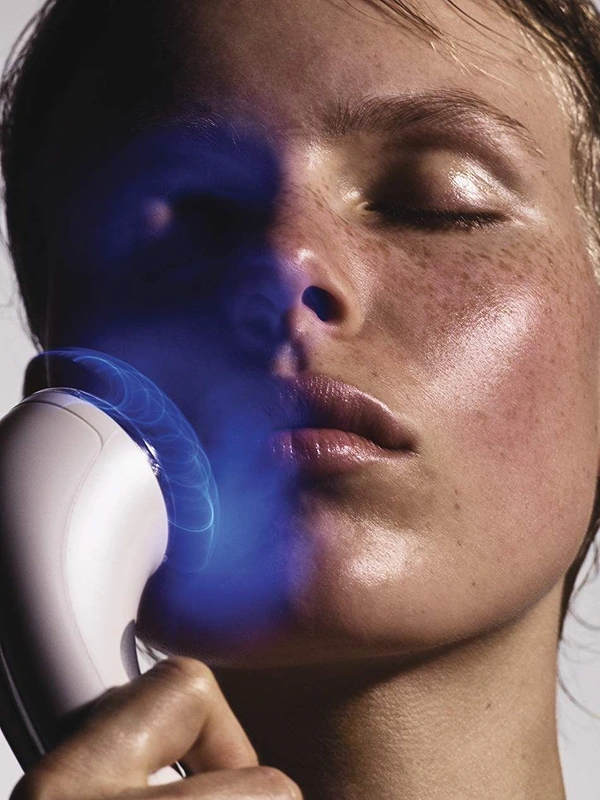
Phototherapy (IPL / BBL)
High-intensity pulsed light selectively targets melanin and hemoglobin.
- it is ideal for reducing erythema (red marks after acne) and vascular changes;
- it breaks down excess pigment, restoring the skin's natural, healthy color.
Microneedling RF Lifting
This device-based procedure combines microneedling with radiofrequency energy. The energy heats the deeper layers of the dermis, triggering intensive collagen remodeling.
- it is suitable for smoothing uneven skin texture after acne, improving skin firmness, and reducing the appearance of enlarged pores.
Injectable Cosmetic Treatments
- collagen therapy: injections of collagen-based products or collagen stimulators (such as those based on poly-L-lactic acid) fill tissue defects and restore lost volume;
- platelet-rich plasma therapy (PRP): injections of the patient's own platelet-rich plasma accelerate healing and regeneration processes;
- mesotherapy and biorevitalization: supply the dermis with hyaluronic acid, vitamins, and skin-brightening ingredients.
A Comprehensive Approach to Skin Treatment and Recovery
To fully address the problem and determine how to remove post-acne marks, a dermatologist combines different treatment methods. For example, a course of IPL therapy and chemical peels may be recommended to treat spots, while a combination of laser resurfacing and collagen injections may be used to correct deep textural changes.
The key to successful treatment is consulting a qualified specialist who will develop a proper treatment plan based on the individual characteristics of your skin.
FAQ: Frequently Asked Questions
- Is it possible to completely get rid of acne scars?
Yes, modern cosmetic treatments can make scars and uneven skin texture almost invisible (improvements can reach 80–90%). The final result depends on the depth of the damage and the chosen treatment method.
- How many treatments are needed to remove post-acne marks?
The course of treatment is determined individually. Removing pigmentation may require 3–5 IPL or chemical peel sessions, while correcting deep scars may require 2–4 laser resurfacing or RF lifting treatments at intervals of 1–1.5 months.
- What is the best time of year to undergo post-acne treatment?
Most intensive and laser treatments are recommended during periods of low sun exposure (autumn, winter, and early spring) to reduce the risk of secondary hyperpigmentation.