









Peptides in Longevity Medicine: A Safe Approach to Anti-Aging and Biohacking
Peptides have become one of the leading trends in anti-aging and longevity medicine of the 2020s. Used by celebrities, high-performance individuals, and biohacking enthusiasts, peptide therapies require a science-based approach and medical supervision to achieve safe and personalized results.
Explore 17 peptide protocols featured at Refresh Dubai, including the latest global longevity trends, treatment strategies, and expert medical insights.
Why Peptides Have Become a Key Tool in Longevity Medicine
Modern longevity medicine has moved far beyond traditional anti-aging cosmetology. Today, it focuses on specific biological mechanisms of aging, including mitochondrial dysfunction, chronic inflammation, epigenetic changes, telomere shortening, and the accumulation of senescent cells. Peptides play an important role in targeting these processes — they are short chains of amino acids that can precisely influence cellular signaling pathways and regulate biological functions.
Unlike vitamins and dietary supplements, peptides work through targeted receptor-based mechanisms. Some influence hormonal regulation, others support mitochondrial activity, collagen production in the skin, or tissue regeneration processes. Their key advantages include high selectivity, physiological compatibility, and a targeted biological effect.
According to TIME (February 2026), interest in peptide therapy has increased significantly over the past two years. Alongside GLP-1 medications, peptides have become one of the fastest-growing areas of regenerative and longevity medicine worldwide. Cardiologist and Director of Scripps Research Translational Institute Eric Topol, discussing the “peptide craze” in his Ground Truths column, notes that celebrity and biohacker interest has helped transform peptides from a niche clinical approach into a global trend.
A Safe Approach: The Key Difference Between Clinical Peptide Therapy and the Unregulated Market
Today, thousands of people purchase peptides online through “research” websites, often from unverified sources. According to TIME, many of these products have not undergone clinical testing, may contain impurities, and can be unsafe for unsupervised use. Eric Topol warns that peptides from the unregulated market cannot be considered as safe or effective as medically approved therapies.
An ELLE article (December 2025) explored the trend of “peptide princesses” — patients in New York using peptide “stacks” combining 5–8 different compounds at the same time. The physicians quoted in the article share one clear message: “Don’t do this on your own.”
A safe peptide therapy approach at Refresh Dubai is built on five core principles:
- Only pharmaceutical-grade products sourced from verified pharmacies and trusted manufacturers.
- Comprehensive medical assessment before starting therapy — including hormone panels, biochemical analysis, biomarkers, and biological age evaluation.
- Personalized protocol selection — no universal “peptide stack” designed for everyone.
- Regular follow-up testing, quality-of-life assessments, and dosage adjustments when required.
- Screening for contraindications — especially oncology-related risks, as some peptides may influence cellular growth pathways.
17 Refresh Dubai Peptide Protocols — Complete Overview
Energy & Mitochondria — The Foundation of Healthspan
NAD⁺ (Nicotinamide Adenine Dinucleotide) — The Fuel of Cellular Longevity
What is it?
NAD⁺ is an essential coenzyme required for proper mitochondrial function and cellular energy production. Its levels naturally decline with age, which may contribute to reduced energy, cognitive changes, and accelerated aging processes. Supporting NAD⁺ levels has become one of the key areas of interest in modern longevity medicine.
Potential effects:
- Support for cellular energy levels and overall performance
- Activation of sirtuins (longevity-associated pathways)
- Support for cognitive function, focus, and memory
- Reduction of inflammatory biomarkers
- Support for cardiovascular health
Typical Refresh Dubai protocol: A course of 5–10 intravenous infusions at 250–750 mg over 2–3 weeks, followed by maintenance support with NAD⁺ peptide pens or oral NMN supplementation.
Global trends and celebrities. NAD⁺ has become one of the most discussed compounds in the longevity and biohacking community. According to publications by Substack Ground Truths and ELLE, NAD⁺ therapy has gained popularity among high-profile wellness figures, including Gwyneth Paltrow, Kendall Jenner, Jennifer Aniston, Halle Berry, Joe Rogan, Hailey Bieber, and Justin Bieber. Bryan Johnson has also included NAD⁺ support in his “Don’t Die” protocol.
MOTS-c — The Mitochondrial Longevity Peptide
What is it?
MOTS-c is a mitochondrially encoded peptide discovered in 2015. Unlike most peptides, it is produced from mitochondrial DNA rather than the cell nucleus. Its primary targets are metabolic regulation, muscle function, energy balance, and physical endurance.
Potential effects:
- Improved insulin sensitivity and metabolic balance
- Support for muscle mass, strength, and physical performance
- Enhanced endurance, especially in adults 50+
- Protection against age-related muscle loss (sarcopenia)
- Support for healthy weight regulation
Typical protocol: 10 mg administered subcutaneously 2–3 times per week, with a course duration of 4–8 weeks, followed by an individualized maintenance approach.
Trends: MOTS-c is one of the most discussed peptides among biohacking communities and masters-level athletes. Podcast host Andrew Huberman has repeatedly highlighted mitochondrial peptides as a potential “next wave” of longevity science following the rise of GLP-1 therapies.
Anti-Aging & Epigenetics
Epithalon — The Pineal Gland and Telomere-Supporting Peptide
What is it?
Epithalon is a tetrapeptide (Ala-Glu-Asp-Gly) developed by Professor Vladimir Khavinson at the Saint Petersburg Institute of Bioregulation and Gerontology. It is considered one of the most studied bioregulatory peptides in Russia, with more than 35 years of clinical research history.
Potential effects:
- Support for telomerase activity and telomere protection
- Restoration of natural melatonin production
- Support for healthy circadian rhythms
- Antioxidant cellular protection
- Support for pineal gland function, especially with age-related changes
Typical protocol: Nasal spray or subcutaneous injections of 5–10 mg daily for 10–20 days, repeated twice per year. Epithalon is considered one of the peptides studied for a “short course — long-lasting support” approach.
Trends: Epithalon has gained international attention in longevity discussions due to research on telomeres and biological aging. It continues to be actively explored within longevity communities as one of the notable peptides associated with the Russian bioregulation research field.
Kisspeptin — The Hypothalamic Regulator of Reproductive Health
What is it?
Kisspeptin is a hypothalamic peptide that regulates GnRH secretion and plays a key role in controlling the reproductive hormone axis. Discovered relatively recently, it is being actively studied as a potential tool for supporting hormonal balance, reproductive health, perimenopause management, and age-related changes in libido.
Potential effects:
- Support for healthy libido in men and women
- Support for fertility and reproductive function
- Help with menstrual cycle regulation
- Stimulation of natural testosterone production
- Support for mood, motivation, and emotional balance
Typical protocol: Individualized treatment plan under endocrinologist supervision with laboratory monitoring of hormonal status.
Trends: Kisspeptin is considered one of the emerging peptides in modern reproductive medicine. Research from Imperial College London, led by Professor Waljit Dhillo, has highlighted its potential role in addressing reduced libido and hypothalamic amenorrhea.
Regeneration & Sports Recovery
BPC-157 — The Gut and Connective Tissue Recovery Peptide
What is it?
BPC-157 (Body Protective Compound) is a 15-amino-acid peptide derived from a protective gastric protein. It is one of the most widely discussed regenerative peptides in the world, studied for its potential role in tissue repair and recovery processes.
Potential effects:
- Support for tendon and ligament recovery
- Protection and restoration of the gastrointestinal lining
- Modulation of inflammatory processes
- Support for vascular repair and angiogenesis
- Neuroprotective support
Typical protocol: 250–500 mcg once or twice daily, administered subcutaneously or orally depending on the goal, with a typical course of 4–6 weeks.
Trends & public interest: BPC-157 gained significant attention after public discussions by figures such as Joe Rogan, who shared his experience with recovery after injury. Interest in regenerative peptides has continued to grow among athletes and biohacking communities. The topic has also been widely discussed in media publications, including Substack Ground Truths and TIME.
TB-500 (Thymosin Beta-4) — The Soft Tissue Recovery Peptide
What is it?
TB-500 is a synthetic fragment of Thymosin Beta-4, a peptide involved in cellular migration, tissue repair, and regeneration processes.
Potential effects:
- Support for muscle and ligament recovery after injuries
- Support for cardiac tissue recovery after ischemic damage
- Regeneration support for gastrointestinal tissues
- Reduction of fibrotic processes
- Support for immune system function
Typical protocol: 10 mg administered subcutaneously 2–3 times per week for 4–8 weeks, followed by an individualized maintenance approach.
Trends & public interest: TB-500 is especially popular in professional sports and among patients recovering from significant injuries. Stylist Micaela Erlanger told ELLE that peptides such as NAD⁺, CJC, and tirzepatide became an important part of her recovery process after an equestrian injury.
GHK-Cu (Copper Tripeptide) — The Skin & Hair Renewal Peptide
What is it?
GHK-Cu is a copper-binding tripeptide naturally found in human plasma. Its levels gradually decline with age, which has made it one of the most studied peptides in skin regeneration and healthy aging research.
Potential effects:
- Support for collagen and elastin production
- Antioxidant protection for skin cells
- Support for healthier hair growth
- Improved wound healing and scar quality
- Support for dermal regeneration and skin structure
Typical protocol: Administered through injections or mesotherapy, typically 2–3 mg once or twice per week, with a course of 6–8 procedures depending on individual goals.
Trends & public interest: GHK-Cu is included in the peptide protocols discussed by Ivan Pol, a New York-based facialist whose premium skincare products are used by Hollywood celebrities (ELLE). He has spoken about peptides in the context of improved recovery, skin quality, and overall well-being.
Neuropeptides & Cognitive Performance
Semax — A Neuroactive Peptide for Focus and Cognitive Support
What is it?
Semax is a synthetic peptide derived from the ACTH (4–10) fragment, originally developed at the Institute of Molecular Genetics of the Russian Academy of Sciences and approved for medical use in Russia.
Potential effects:
- Support for focus, concentration, and memory
- Neuroprotective support during stress and reduced oxygen conditions
- Stimulation of BDNF (brain-derived neurotrophic factor)
- Improved mental performance and cognitive resilience
- Support during periods of high mental workload
Typical protocol: Intranasal administration, 0.1% solution — usually 2–3 drops in each nostril 2–3 times daily for 10–14 days. Recommended for morning and daytime use rather than before sleep.
Trends: Semax is one of the best-known neuropeptides originating from Russian research and has gained attention among international biohacking communities. Andrew Huberman has mentioned Semax in discussions related to cognitive enhancement strategies.
Weight Management & Metabolic Health
Tirzepatide, Semaglutide, Retatrutide — The GLP-1 Revolution
What is it?
GLP-1 therapies have become one of the biggest trends in longevity and metabolic medicine of the 2020s. GLP-1 receptor agonists (including semaglutide-based Ozempic and Wegovy, as well as tirzepatide-based Mounjaro and Zepbound) are peptide-based medications that mimic natural satiety hormones and influence appetite regulation.
Key differences:
- Semaglutide — a GLP-1 monoagonist with extensive clinical data and years of real-world experience
- Tirzepatide — a dual GLP-1/GIP agonist associated with more pronounced weight reduction in clinical studies
- Retatrutide — a triple GLP-1/GIP/glucagon agonist currently being studied, showing promising results in weight management research
Potential effects:
- Significant weight reduction depending on the individual response and medication
- Improved metabolic health and insulin regulation
- Support in maintaining healthy blood glucose levels in type 2 diabetes
- Potential applications in cardiometabolic, neurological, and kidney health research
- Ongoing research into effects on addictive behaviors
Trends & public interest: According to People (May 2026), numerous celebrities have publicly discussed the use of GLP-1 therapies, including Oprah Winfrey, Kelly Clarkson, Sharon Osbourne, Whoopi Goldberg, Tracy Morgan, Charles Barkley, Billie Jean King, and Chelsea Handler. These medications have become some of the most influential developments in modern obesity and metabolic health treatment.
AOD-9604 — A Peptide Fragment for Fat Metabolism Support
What is it?
AOD-9604 is a fragment of human growth hormone (amino acids 176–191) studied for its role in supporting fat metabolism. Unlike growth hormone, it is designed to target lipolysis without directly affecting systemic growth hormone activity.
Potential effects:
- Support for targeted fat metabolism, especially abdominal fat
- No direct impact on blood glucose regulation
- Does not suppress natural growth hormone production
- Support for cartilage and connective tissue health
Typical protocol: 250–500 mcg in the morning on an empty stomach, 5 days per week, with a typical course of 8–12 weeks.
Trends: AOD-9604 is often used as a supportive peptide within weight management protocols alongside GLP-1 therapies or as an individual approach for patients who may not tolerate GLP-1 medications.
Metformin — Not a Peptide, but a Classic Longevity Medicine Compound
What is it?
Metformin is a biguanide medication that has been used for more than 60 years in the treatment of type 2 diabetes. In recent years, it has become one of the most discussed compounds in longevity medicine research.
Potential effects:
- Activation of AMPK — the body’s cellular energy sensor
- Regulation of mTOR pathways associated with aging processes
- Improved insulin sensitivity and metabolic balance
- Potential reduction of certain age-related health risks
- Being studied in the TAME (Targeting Aging with Metformin) trial — one of the major clinical longevity research projects
Trends: Bryan Johnson included metformin in his Don’t Die Protocol. Many longevity experts, including Peter Attia and David Sinclair (with certain reservations), have discussed metformin as one of the entry-level compounds being explored in longevity medicine.
Refresh Dubai Personalized Programs
Peptide Therapy for Weight Loss — Comprehensive Weight Management Protocols
The program combines GLP-1 therapies, AOD-9604, MOTS-c, and metabolic optimization strategies. It is not just a single injection, but a complete personalized approach supported by nutrition guidance and hormonal monitoring.
Peptide Anti-Aging Therapy — Advanced Longevity Programs
The protocol may include Epithalon, GHK-Cu, NAD⁺, MOTS-c, and Semax when clinically appropriate. Programs are supported by assessments such as epigenetic age testing and telomere analysis.
Peptide Support in Menopause — Hormonal Balance & Wellness Support
This approach combines peptide therapy (Kisspeptin, Epithalon, GHK-Cu) with hormone support strategies and targeted nutritional optimization, complementing traditional menopause care.
Methylene Blue + Red Light — Mitochondrial Synergy
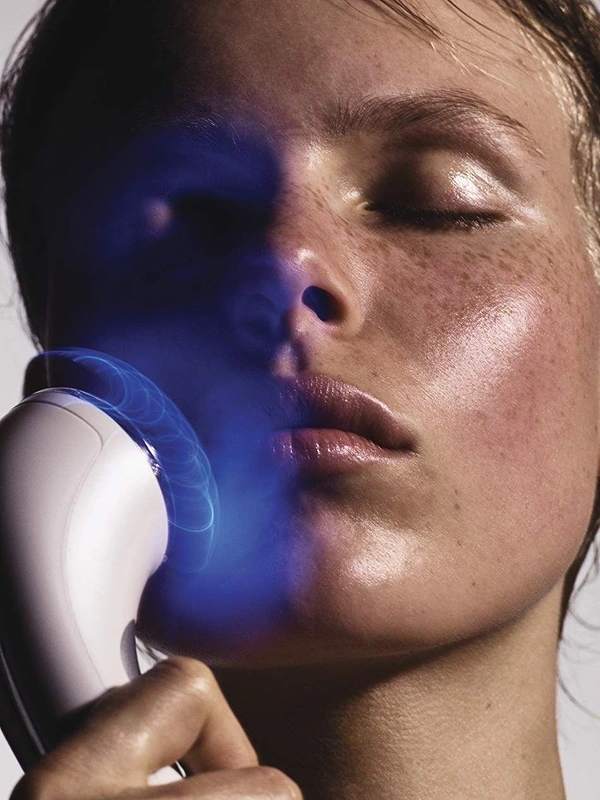
Although not a peptide, this combination is considered an important part of Refresh Dubai’s cognitive and mitochondrial support protocols. Methylene blue is studied for its role in mitochondrial electron transport, while red light therapy (photobiomodulation) targets cellular energy pathways through cytochrome c oxidase stimulation.
Global Peptide Therapy Trends in 2026
Trend 1. GLP-1 — The New Gold Standard in Metabolic Health, Alongside New Safety Questions
GLP-1 therapies, including semaglutide and tirzepatide, have evolved beyond their original role in diabetes treatment and have become some of the most widely used tools for weight management. According to Today, numerous celebrities have openly discussed their experience with these medications. At the same time, concerns are growing around the use of “microdosing” GLP-1 drugs for anti-aging purposes without sufficient clinical evidence, a practice criticized by Eric Topol in Substack Ground Truths.
Refresh Dubai’s approach: GLP-1 therapy should only be used when medically appropriate, with comprehensive monitoring, gradual dose adjustment, and regular evaluation of metabolic, thyroid, and pancreatic health.
Trend 2. NAD⁺ — One of Hollywood’s Most Discussed Longevity Compounds
According to Substack Ground Truths, NAD⁺ injections and infusions have attracted significant attention among celebrities and longevity enthusiasts, including Gwyneth Paltrow, Kendall Jenner, Jennifer Aniston, Halle Berry, Joe Rogan, Hailey Bieber, and Justin Bieber. Many describe it as part of their daily wellness and recovery routine.
Trend 3. Peptide “Stacks” — Growing Popularity and Potential Risks
A “stack” refers to combining multiple peptides or compounds within one protocol, often 4–8 substances used simultaneously. According to ELLE, examples discussed in wellness communities include combinations such as NAD⁺, CJC-1295, tirzepatide, GHK-Cu, and BPC-157. Experts emphasize that combining multiple peptides without medical supervision may increase the risk of side effects and unpredictable interactions.
Trend 4. Biohacking and Bryan Johnson — A New Generation Longevity Model
Bryan Johnson, founder of the “Don’t Die” protocol, has become one of the most recognizable figures in the longevity movement. His anti-aging program includes peptides, collagen peptides, NAD⁺ precursors, and Metformin, along with other interventions such as HBOT and targeted recovery technologies.
Trend 5. Epigenetic Testing + Personalized Peptide Protocols
One of the most important longevity trends in 2026 is moving away from universal “stacks” toward personalized strategies based on biological markers such as epigenetic age, telomere length, hormonal profile, and microbiome analysis. This personalized approach is the foundation of Refresh Dubai protocols.
Trend 6. Russian Bioregulation Research Enters the Global Longevity Conversation
Peptides such as Epithalon, Semax, Selank, Cortexin, and DSIP, developed within the Russian bioregulation research tradition, are gaining increasing attention in international anti-aging discussions. Their key advantage is decades of scientific and clinical exploration.