
Book a consultation
Book

Dubai
English


10:00 – 21:00, daily
Dubai
English
Request a call








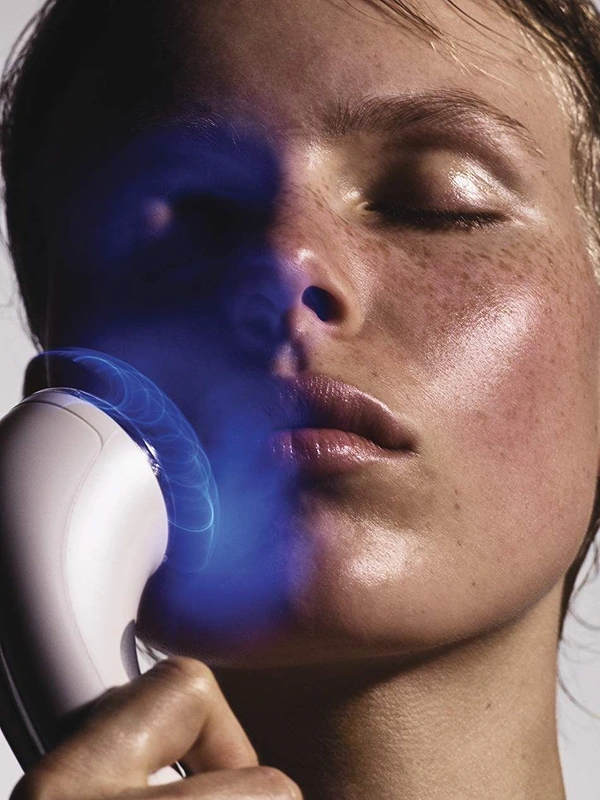

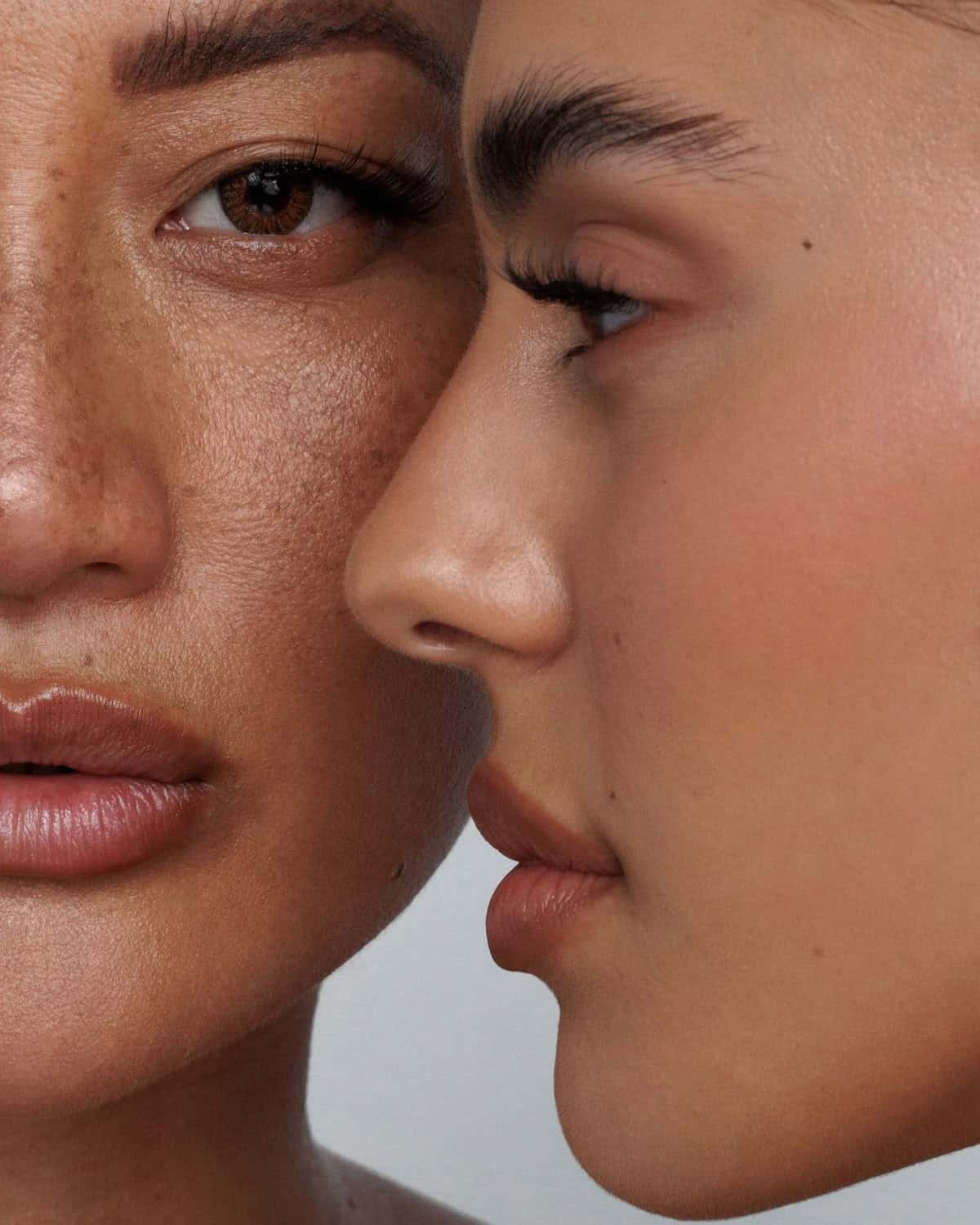



Pigmentation spots are one of the most common problems in dermatology. They affect the appearance of the skin. People of different ages experience this condition, regardless of their activity level, diet, or sleep quality. The appearance of dark patches on the forehead, above the upper lip, or on the cheekbones, as well as uneven skin tone, can negatively affect appearance and self-confidence.
Let's explore what causes facial pigmentation and which modern cosmetic treatments can help eliminate it effectively and safely.
What Is Facial Pigmentation and What Does It Look Like?
The color of our skin is determined by a special pigment called melanin. It is produced by specialized cells known as melanocytes. The main function of melanin is to protect tissues from the harmful effects of ultraviolet radiation. Normally, pigment is distributed evenly throughout the layers of the dermis and epidermis. However, various external and internal factors can disrupt this process, causing melanocytes to produce excessive amounts of pigment in certain areas. This leads to the formation of hyperpigmented patches. Many patients want to know what pigmentation looks like. Depending on the depth of the pigment and the cause of its formation, spots can have different characteristics:- freckles (ephelides) — small light or dark brown spots that often become more noticeable during warmer months;
- lentigines — clearly defined round or oval spots associated with aging or sun exposure;
- chloasma and melasma — large, symmetrical patches with irregular borders, often associated with hormonal changes;
- post-inflammatory hyperpigmentation — dark marks left behind after acne, injuries, burns, or aggressive cosmetic procedures.
Main Causes: What Causes Pigmentation on the Face?
To select the appropriate treatment, it is essential to understand what causes facial pigmentation in each individual case. Disruptions in melanin production are usually a response to external irritants or internal imbalances.1. Ultraviolet Radiation
The main external trigger is sunlight. Dermatologists observe an increase in patients seeking treatment for this problem during summer. UV rays directly stimulate melanocyte activity. If sunscreen is neglected, hyperpigmentation can develop quickly.2. Hormonal Changes
When explaining why pigmentation appears on the face, hormonal factors cannot be overlooked. Estrogen and progesterone directly influence melanin production. This is why the problem is particularly common among women during pregnancy, while taking oral contraceptives, during menopause, or when experiencing thyroid disorders.3. Age-Related Factors
As we age, the distribution of melanocytes becomes less even, while the skin's natural ability to regenerate decreases. This leads to the development of so-called age spots or solar lentigines.4. Disorders of Internal Organs
When investigating the causes of dark spots, it may be necessary to evaluate the function of the liver, gallbladder, gastrointestinal tract, and endocrine system. Certain chronic conditions affecting these organs can also cause changes in the skin.5. Genetic Predisposition and Gender
A tendency to develop freckles and hyperpigmentation is often inherited. Although this problem is more common among women due to hormonal fluctuations, pigmentation also occurs in men, for example, as a result of injuries, prolonged sun exposure without SPF protection, or certain medical conditions. When discussing the causes and treatment of facial pigmentation, specialists emphasize that without addressing the underlying cause, such as hormonal imbalance, cosmetic procedures may provide only temporary results.Professional Diagnosis and Treatment
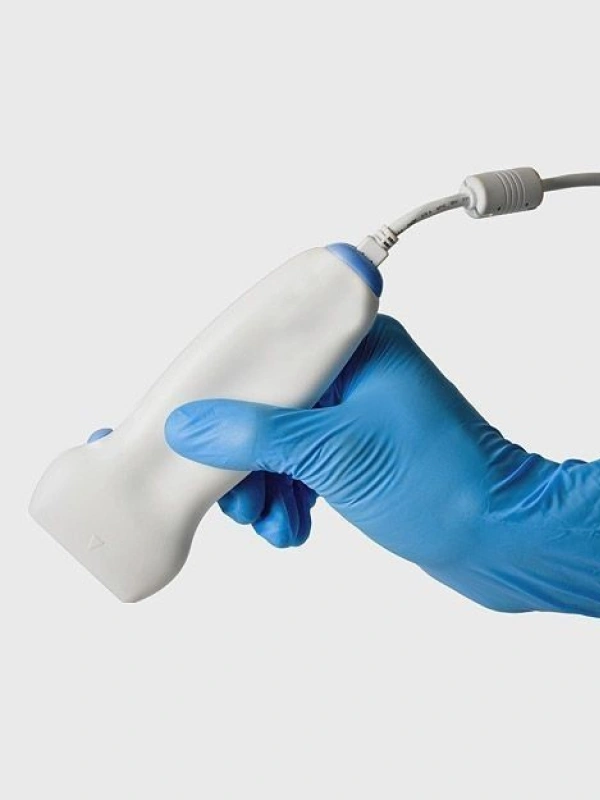
When a person's skin tone changes, the first question is what to do and how to remove these imperfections. Self-treatment in such cases may be not only ineffective but also dangerous, as incorrectly selected aggressive products can cause even more pronounced post-inflammatory hyperpigmentation. In aesthetic medicine, treating facial pigmentation in women and men requires a systematic approach. First, a dermatologist or cosmetologist examines the skin, including dermoscopy and examination under a Wood's lamp to determine the depth of the pigment. The specialist then identifies the causes of the condition and develops a personalized treatment plan. Once the diagnostic stage is complete and the cause of facial pigmentation has been identified, the doctor selects the most effective device-based and injectable treatments.Effective Cosmetic Procedures
Modern cosmetology offers a wide range of methods designed to break down excess melanin and even out the texture and color of the skin.1. Phototherapy (IPL / BBL)
One of the most popular and effective treatment methods. Intense pulsed light selectively targets cells containing increased amounts of melanin. The pigment heats up and breaks down. During the first few days after the session, the spot may darken and peel before becoming lighter or disappearing completely.2. Laser Pigmentation Removal
Laser technologies, including fractional and picosecond lasers, make it possible to target pigment even in the deeper layers of the dermis without damaging surrounding healthy tissues. This is an excellent option when intensive treatment is required.3. Professional Chemical Peels
A course of medium-depth or superficial-to-medium-depth chemical peels based on acids (kojic, azelaic, glycolic, mandelic, retinoic, and TCA) helps exfoliate the upper layers of the skin containing excess melanin and stimulates epidermal renewal.4. Injectable Treatments (Mesotherapy and Biorevitalization)
The injection of special mesotherapy cocktails containing brightening ingredients (vitamin C, tranexamic acid, glutathione, and peptides) helps inhibit tyrosinase, the enzyme responsible for melanin synthesis, and accelerate skin recovery.Prevention: How to Prevent Pigmentation from Returning
Understanding why pigmentation appears on the face is important, but regular prevention is equally essential to avoid recurrence after completing treatment:- Use SPF protection. Broad-spectrum sunscreen (protecting against UVA and UVB rays) with SPF 30–50 should be applied daily 15–20 minutes before going outside, not only in summer but also on cloudy days.
- Avoid direct sunlight. Wear wide-brimmed hats and sunglasses during peak UV activity hours (from 11:00 AM to 4:00 PM).
- Avoid damaging your skin. Do not squeeze pimples yourself or use harsh homemade scrubs that may trigger post-inflammatory hyperpigmentation.
- Monitor your health. Schedule regular checkups with a general practitioner, endocrinologist, and gynecologist to detect internal health problems in a timely manner.

Fill out the form to book your consultation.
Your personal manager will contact you within 10 minutes and arrange a convenient time for your visit.