
















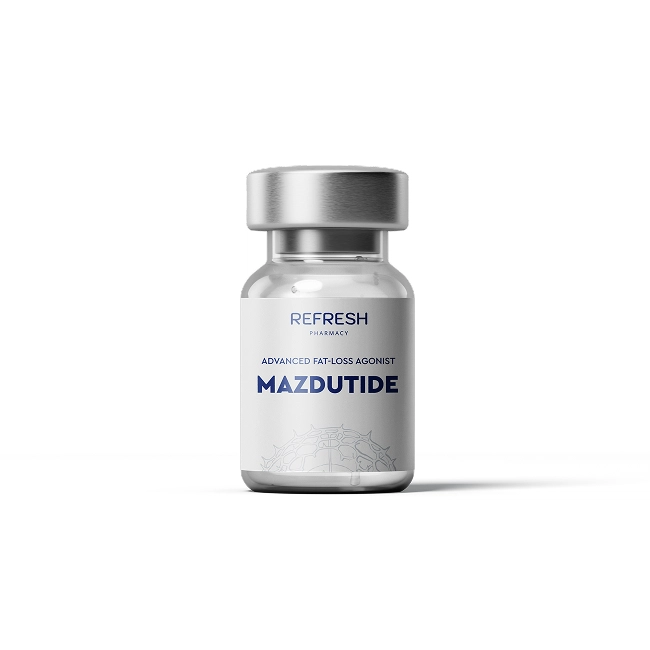
Injectable form of Mazdutide is a metabolic agent with a dual mechanism of action that provides an intensified effect on fat breakdown processes, blood sugar regulation and the body's overall energy expenditure. This dosage ...
Injectable form of Mazdutide is a metabolic agent with a dual mechanism of action that provides an intensified effect on fat breakdown processes, blood sugar regulation and the body's overall energy expenditure. This dosage form is used for rapid launch of metabolic processes or to achieve maximum therapeutic response at the start of the course.
Mechanism of action
|
Week |
Dose |
Titration |
|---|---|---|
|
1-4 |
3 mg |
Initial |
|
5-8 |
4.5 mg |
Increase by 1.5 mg |
|
9+ |
6-9 mg |
Maximum (Phase III) |
-
GLP-1R: Increased insulin secretion (glucose-dependent), slowing down gastric emptying, enhanced feeling of satiety.
-
GCGR: Stimulation of glucose production by the liver, mobilization of lipids from the liver and adipose tissue, increased energy expenditure.
-
Synergy: Reduction in glycemia combined with up to 15% reduction in body weight.
Leadership in ratings: reasons for Mazdutide's success
The drug has taken top positions in clinical assessments due to its high efficacy.
Comparison with analogues
|
Drug |
Weight loss (48 weeks) |
NAFLD |
Dosage |
|---|---|---|---|
|
Mazdutide 9 mg |
-14.8% |
↓52% |
9 mg/week |
|
Tirzepatide 15 mg |
-20.9% |
↓40% |
15 mg/week |
|
Semaglutide 2.4 mg |
-15% |
↓30% |
2.4 mg/week |
Mazdutide — GLP-1/glucagon class innovation (-15% mass achievement at 9 mg/week dose)
-
GLP-1 receptors: their stimulation leads to rapid onset of satiety, reduced food intake volume and stabilization of plasma sugar levels.
-
Glucagon receptors: impact on them causes the body to spend more calories by accelerating basal metabolism and enhancing heat production.
A combination of these mechanisms ensures pronounced patient weight loss through two key vectors:
-
Appetite suppression and reduction of dietary caloric intake;
-
Increased daily energy expenditure due to activation of cellular metabolism.
The medication is aimed at treating two critical pathologies:
-
Obesity: significant decrease in body weight improves quality of life, minimizes the risk of heart attacks, strokes, type II diabetes and other comorbidities.
-
Type II Diabetes Mellitus (T2DM): optimization of glucose control and overcoming insulin resistance serve as prevention of severe disease consequences, such as kidney damage, retinal damage and peripheral nervous system disorders.
|
Area |
Results |
|---|---|
|
Obesity |
Loss of 11-15% of mass (over 48 weeks at 9 mg) |
|
T2DM |
Glycated hemoglobin (HbA1c) decreases by 2%, without hypoglycemia episodes |
|
NAFLD |
Reduction of fatty deposits in the liver by 30-50% |
|
Cognitive |
BDNF growth, dementia research (preclinical stage) |
Mazdutide engages GLP-1 receptors, optimizes substrate metabolism, suppresses appetite and activates thermogenesis. Simultaneous work in these directions forms a balanced metabolic background, contributing not only to lower numbers on the scales, but also to improvement of qualitative tissue composition.
|
Combination |
Purpose |
Doses |
|---|---|---|
|
Mazdutide + Glow |
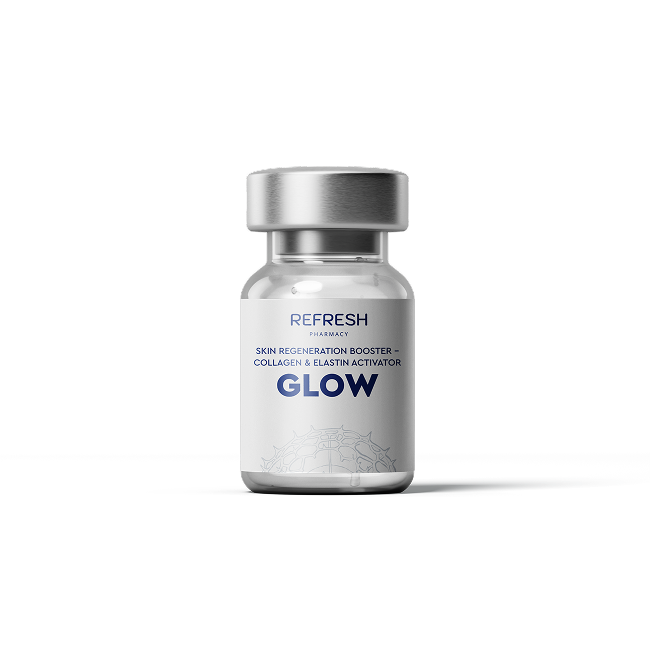
Maintaining skin quality during weight loss |
6 mg + 0.15 ml |
|
Mazdutide + GHK-Cu |
Enhanced lipolysis and collagen synthesis |
6 mg + 1 mg |
|
Mazdutide + Epitalon |
Longevity and metabolism |
6 mg + 5 mg |
Mazdutide is recommended for individuals with low susceptibility to standard therapy, athletes at the "cutting" phase before competitions, as well as patients requiring fast and powerful correction of metabolism. The ampoule format expedites adaptation of body systems, increases the coefficient of useful energy utilization and allows visible aesthetic improvements to be recorded faster.
Information
Smart Benefits.
Maximum Impact.







The Science of Longevity in Detail