











Biological Age and Biological Clocks: Why Time Drags in Youth and Flies in Old Age
Biological vs Chronological Age: What's the Difference?
Chronological Age — Just Numbers
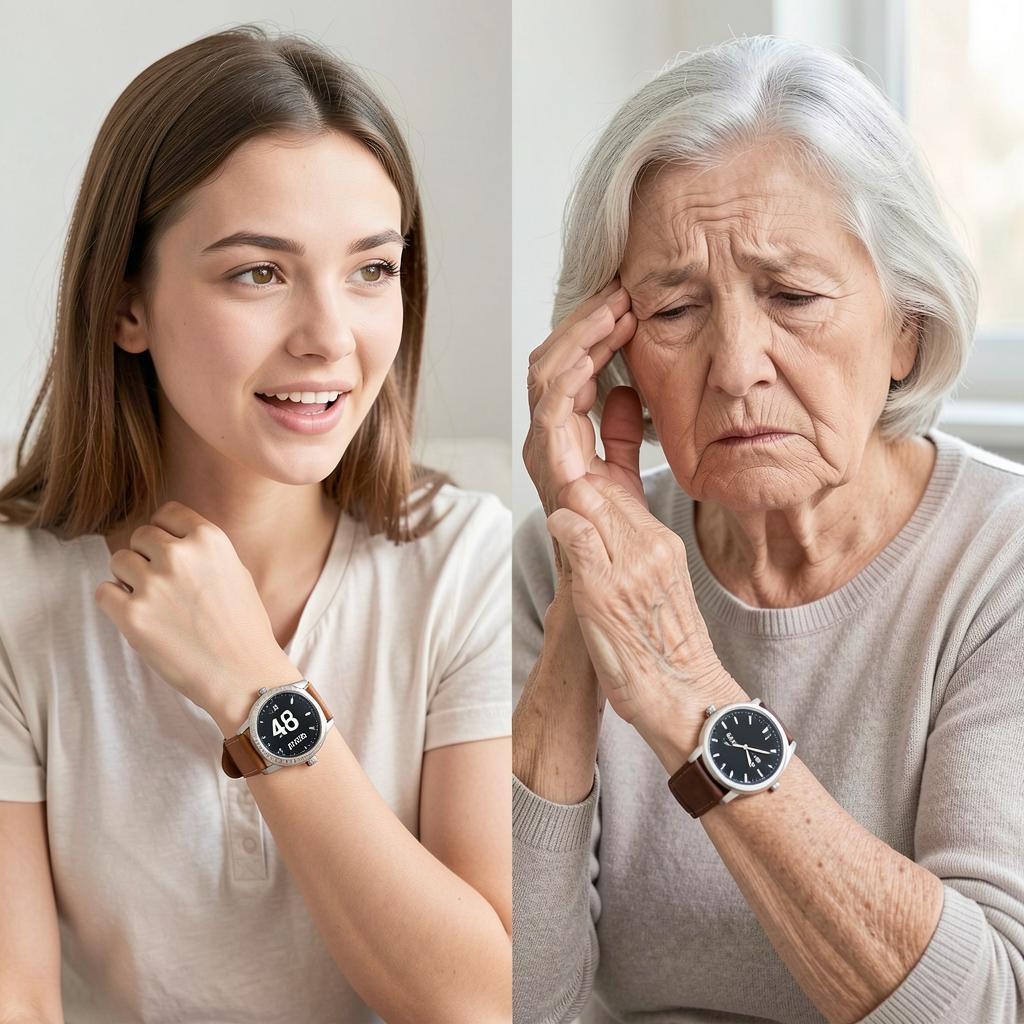
Chronological age is the number of years that have passed since your birth. It is the same for everyone and increases by one year every year.
However, two people of the same chronological age can have completely different states of health, energy levels, and appearance.
Biological Age — Real Degree of Wear and Tear
Biological age is an indicator of how "worn out" your body is at the cellular level. It reflects the state of cells, blood vessels, organs, and systems.
Biological age is influenced by:
-
Genetics — hereditary aging factors.
-
Inflammation — chronic systemic inflammation accelerates aging.
-
Stress — chronic stress damages cells and telomeres.
-
Blood sugar levels — insulin resistance and diabetes accelerate aging.
-
Lifestyle — sleep, nutrition, physical activity, bad habits.
-
Environment — exposure to toxins, pollution, UV radiation.
Result: your biological age can be 5–15 years younger or older than your chronological age.
Biological Clocks: How Does the Body Count Time?
Circadian Rhythms — The Body's Internal Clock
Circadian rhythms are 24-hour cycles that regulate sleep, wakefulness, metabolism, hormone levels, and many other processes.
The body's main "clocks" are located in the suprachiasmatic nucleus of the hypothalamus in the brain. They synchronize with light, temperature, food intake, and social activity.
Disruption of circadian rhythms (sleep deprivation, shift work, jet lag) leads to:
-
Accelerated cellular aging
-
Increased risk of diabetes, obesity, cardiovascular diseases
-
Reduced cognitive function and memory
-
Deterioration of skin and hair quality
Epigenetic Clocks — Chemical Marks on DNA
Epigenetic clocks are chemical modifications of DNA (methylation) that accumulate with age and allow precise determination of biological age.
How it works:
-
With age, certain DNA regions become more or less methylated.
-
Based on the methylation pattern, biological age can be calculated with an accuracy of 3–5 years.
-
Epigenetic clocks can be "slowed down" or even "reversed" through lifestyle changes, nutrition, and therapy.
Research shows:
-
Loss of loved ones accelerates epigenetic clocks by 1–2 years.
-
Regular sleep and physical activity slow epigenetic aging.
-
Chronic inflammation and stress accelerate DNA methylation.
Why Does Time Drag in Childhood and Fly in Adulthood?
Neurobiology of Time Perception
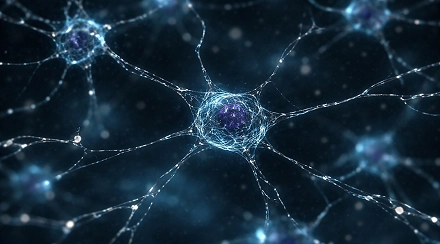
Time perception is not a property of time itself, but a feature of brain function. It depends on the level of awareness, emotions, novelty of experience, and density of memorable events.
Neurobiological research shows:
-
Young people's brains "divide" time into smaller segments, capturing more details and events.
-
Older people's brains perceive events more generally, transitioning to new neural states less frequently and for longer periods.
-
Result: a day seems shorter for adults than for children.
Dopamine and Subjective Acceleration of Time
Dopamine is a neurotransmitter responsible for motivation, pleasure, and learning. A team of Portuguese neurobiologists discovered that dopamine is responsible for the subjective acceleration and slowing of time.
How it works:
-
High dopamine levels (new impressions, emotions, learning) — time seems slower.
-
Low dopamine levels (routine, stress, depression) — time "flies."
With age:
-
Dopamine production decreases.
-
The density of new impressions decreases.
-
The brain stops recording everyday actions in detail.
Result: years "compress" and pass almost unnoticed.
Psychology of Perception: Density of Impressions
In childhood:
-
Every day is filled with new discoveries: new friends, skills, travels, emotions.
-
The brain actively records these events, creating a dense "memory map."
-
Result: this period seems rich and long in memory.
In adulthood:
-
Life becomes more routine: work, home, repetitive actions.
-
The brain stops memorizing similar events, conserving resources.
-
Result: in retrospective assessment, months and years seem to have flown by unnoticed.
Relative perception:
-
For a five-year-old child, one year is 20% of their life.
-
For a fifty-year-old — only 2%.
-
Result: time subjectively accelerates with age.
Can Biological Aging Be Slowed Down?
Factors Accelerating Aging
-
Chronic inflammation — damages cells and tissues, accelerates epigenetic aging.
-
Oxidative stress — free radicals damage DNA, proteins, and lipids.
-
Circadian rhythm disruption — sleep deprivation, shift work, jet lag.
-
Chronic stress — increases cortisol, damages telomeres.
-
Insulin resistance — high blood sugar accelerates aging of blood vessels and organs.
-
Sedentary lifestyle — reduces metabolism, worsens circulation.
-
Smoking and alcohol — toxins damage cells and DNA.
Factors Slowing Aging
-
Regular sleep — go to bed and wake up at the same time, 7–9 hours of sleep.
-
Physical activity — 150 minutes of moderate exercise per week.
-
Conscious stress management — meditation, deep breathing, yoga.
-
Healthy diet — Mediterranean diet, antioxidants, omega-3.
-
Social connections — support from loved ones, communication, hobbies.
-
New impressions — learning, travels, hobbies — increase dopamine and memory density.
How to "Trick" Time: Practical Recommendations
Slow Down Biological Clocks
-
Normalize sleep — go to bed and wake up at the same time, avoid screens 2 hours before sleep.
-
Move daily — walking, yoga, strength training, cardio.
-
Eat consciously — more vegetables, fruits, healthy fats, less sugar and processed foods.
-
Manage stress — meditation, breathing exercises, walks in nature.
-
Maintain social connections — communication with loved ones, interest clubs, volunteering.
Speed Up Time Perception (Make Life Richer)
-
Travel — new places, cultures, impressions.
-
Learn new things — languages, instruments, skills, hobbies.
-
Change routine — new routes, restaurants, activities.
-
Record moments — keep a diary, take photos, create "memory anchors."
-
Practice mindfulness — meditation, mindfulness — helps "stretch" pleasant moments.
Biological Age Check-up at Refresh Clinic Dubai
At Refresh Clinic Dubai, we offer comprehensive biological age diagnostics and personalized programs to slow it down.
Check-up Programs
-
Comprehensive Check-up — blood, metabolism, liver, kidneys, iron, electrolytes, hormones, vitamins, inflammation markers (CRP, IL-6).
-
Epigenetic Test — DNA methylation analysis to determine biological age.
-
Telomere Analysis — leukocyte telomere length as a marker of cellular aging.
-
Circadian Rhythms — sleep quality, melatonin, cortisol assessment.
-
Body Composition Analysis — 3D scanning, fat and muscle mass analysis, metabolic profile.
Biomarkers for Biological Age Assessment
-
Epigenetic clocks — DNA methylation.
-
Telomere length — indicator of cellular aging.
-
Inflammation markers — CRP, IL-6, TNF-α.
-
Oxidative stress — malondialdehyde (MDA), 8-OHdG, glutathione (GSH/GSSG).
-
Metabolic markers — glucose, insulin, HbA1c, lipid profile.
-
Hormonal profile — cortisol, melatonin, growth hormone, IGF-1, sex hormones.
-
Liver and kidney function — ALT, AST, creatinine, urea.
Book a check-up at Refresh Clinic Dubai
Anti-Aging Programs at Refresh Clinic Dubai
Longevity IV Drip
-
NAD⁺ — cellular energy, DNA repair, sirtuin activation.
-
Glutathione — detox, antioxidant protection, skin brightening.
-
Vitamin C — collagen synthesis, immunity, antioxidant.
-
Alpha-lipoic acid — mitochondrial support, detox.
-
Magnesium, zinc, B vitamins — metabolism cofactors.
Peptide Therapy
-
Epitalon — circadian rhythm regulation, aging slowdown.
-
MOTS-C — mitochondrial peptide, metabolism improvement.
-
GHK-Cu — collagen synthesis, skin rejuvenation.
-
BPC-157 — tissue repair, anti-inflammatory action.
-
Thymosin Beta-4 — regeneration, fibrosis reduction.
Lifestyle & Wellness Programs
-
Sleep Optimization — circadian rhythm normalization, melatonin, sleep hygiene.
-
Stress Management — meditation, breathing exercises, yoga.
-
Nutrition Coaching — personalized nutrition, Mediterranean diet, intermittent fasting.
Book a longevity program at Refresh Clinic Dubai
FAQ (Frequently Asked Questions)
Can biological age be accurately determined?
Yes. Using epigenetic clocks (DNA methylation), telomere analysis, and comprehensive biomarkers (inflammation, metabolism, hormones), biological age can be determined with an accuracy of 3–5 years.
How much can biological age differ from chronological age?
The difference can be 5–15 years in either direction. A healthy lifestyle, nutrition, sleep, and physical activity can make biological age 10–15 years younger than chronological age.
Can biological aging be "reversed"?
Yes, partially. Research shows that lifestyle changes, nutrition, sleep, physical activity, and certain therapies (e.g., metformin, rapamycin, peptides) can slow or even reverse epigenetic aging by 1–3 years over 12–18 months.
Why does time drag in childhood and fly in adulthood?
Due to the density of new impressions. In childhood, the brain records more new events, creating a dense "memory map." In adulthood, life becomes routine, the brain records fewer details, and in retrospective assessment, time seems to have flown by faster.
How to slow down subjective time acceleration?
Add novelty: travels, learning new skills, hobbies, changing routine. Practice mindfulness (meditation, mindfulness) — this helps "stretch" pleasant moments and increase memory density.
Does sleep affect biological age?
Yes, critically. Circadian rhythm disruption (sleep deprivation, shift work, jet lag) accelerates cellular aging by 1–3 years. Regular sleep of 7–9 hours at the same time slows epigenetic aging.
Can I take a biological age test at Refresh Clinic Dubai?
Yes. At Refresh Clinic Dubai, epigenetic tests, telomere analysis, and comprehensive aging biomarker check-ups are available. Based on the results, we develop a personalized longevity program.
Related services